

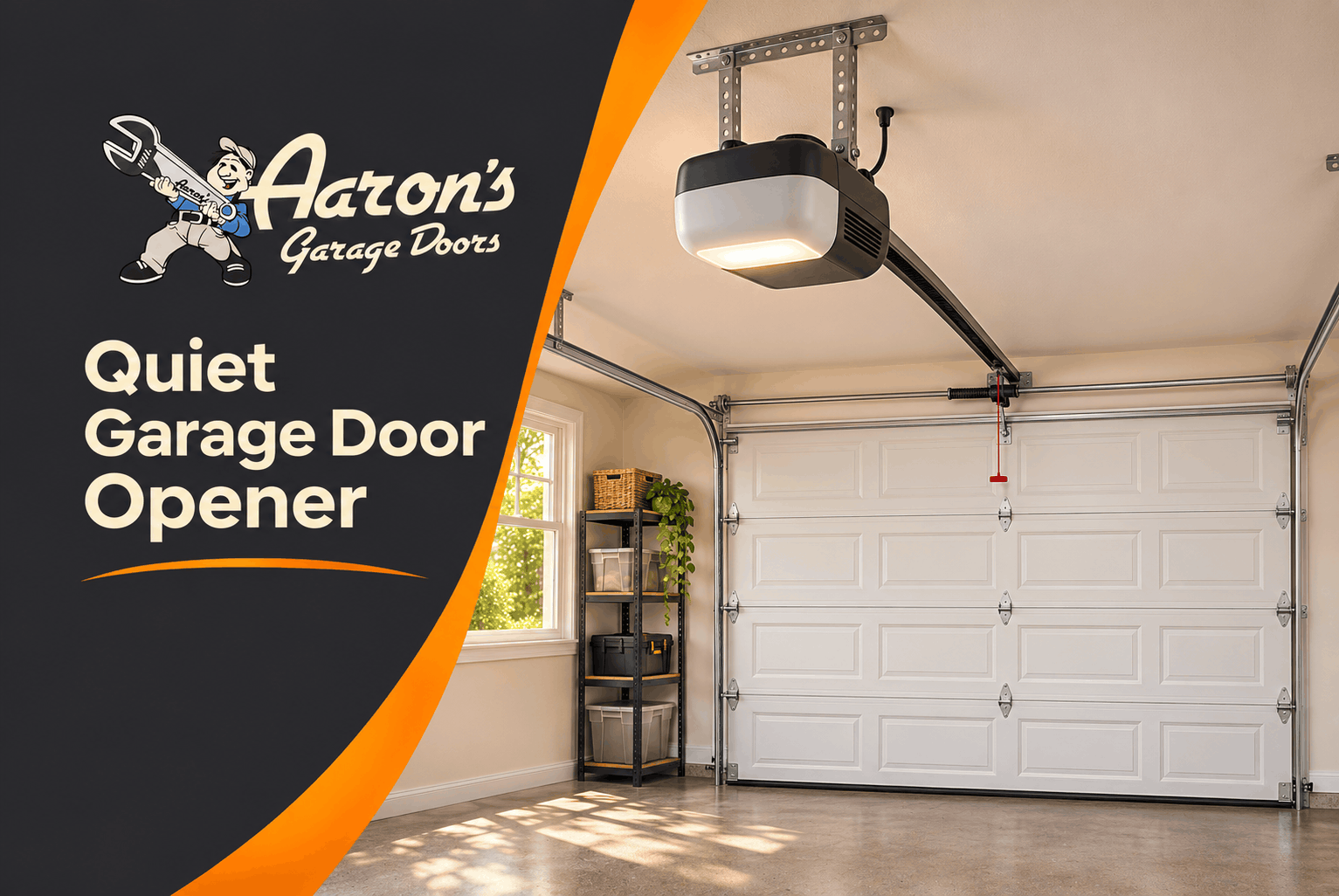
The garage door opens at six in the morning, and someone in the bedroom upstairs hears it before their alarm goes off. In an attached garage, a sound that seems ordinary from the driveway can be much more noticeable inside the house. If you’re exploring garage door options for your home, start by paying attention to what you hear indoors. The sound may come from the opener, the door as it moves, or vibration you feel through the ceiling.
A quiet garage door opener can make a difference when the motor or drive system is the main source of noise. If the door rattles along the tracks or makes a heavy thump as it closes, that’s worth looking into before buying a new opener. A few observations can help you decide what to ask for and where to spend your money.
Listen From the Room Where the Noise Bothers You
The best place to judge the noise is the room where it interrupts your day. If the door is operating normally, ask someone to open and close it once while you listen from the bedroom, living room, or office. Notice whether the sound continues throughout the cycle or happens at a particular point.
A steady hum or a metallic sound during most of the cycle gives you a reason to ask about the opener and its drive system. A rattle that repeats as the door sections pass through the track, or a thud in the final moment of closing, gives the technician a different place to start. You don’t need to pinpoint the part. Describing when you hear the sound and where you hear it is enough to make the conversation more productive.
Notice Whether You Hear Noise or Feel Vibration
You might hear a relatively mild hum in the garage but feel a stronger vibration in the floor above it. An opener mounted to the ceiling can pass some vibration into the framing. Tell the installer if that’s what you’re noticing, especially if it’s concentrated in one upstairs room. That gives them a reason to look at how the equipment is mounted as well as which model might suit the garage.
Compare Opener Types with Your Garage in Mind
A belt drive opener is a common starting point when a bedroom sits above the garage. Its belt avoids the metal chain noise associated with a chain drive system. The motor, door hardware, and mounting still affect what you hear inside, so ask how the proposed setup addresses the sound you actually notice.
When comparing residential garage door openers, tell the installer which room shares a wall or ceiling with the garage. A garage directly below a bedroom call for a different conversation than one beside a laundry room. If noise is the reason for upgrading, ask the installer to explain where they expect the improvement to come from.
When a Wall Mount Opener Is Worth Discussing
A wall mount opener sits beside the door opening and may be worth exploring when ceiling vibration is the main concern or you want to keep the overhead space clear. Compatibility depends on the door’s hardware and the available room beside the opening. Ask the installer to check your setup before you settle on a model. A wall mount can change where the motor is mounted, but you’ll still hear any rattle or scrape coming from the door itself.
Check the Door Before Paying for a Quieter Opener
An opener upgrade is a good time to have the door’s condition checked. Worn rollers, loose hardware, or a door that binds during travel can contribute to noise regardless of the opener you choose. If your main complaint is a sharp scrape or repeated clunk, ask the technician to investigate that sound before quoting a new unit.
A written estimate should make it clear which work addresses the opener and which work addresses the door. Suppose the estimate includes a belt drive model and replacement rollers. Ask what the technician observed about the existing rollers and what change you should expect from replacing them. That helps you compare the scope of two quotes even if both list similar openers.
Choose Features That Fit Your Daily Routine
Once you’ve narrowed the options by noise and compatibility, think about how your household uses the garage. Battery backup may matter if the garage is your main entrance. A keypad can be useful if family members regularly come home without a remote. If you use the garage as a workshop, pay attention to where the opener light will fall and whether it lights the part of the room where you work.
Also ask which controls come with the opener and whether any of your existing remotes or vehicle controls can be used with it. That’s an easy detail to miss when comparing prices, especially if several people use the door every day.
Listen From Inside After Installation
Once the installer has completed the setup and checks, ask them to run the door while you listen from the same room where you first noticed the noise. Comparing from the same spot helps you tell whether the early morning hum is softer, the ceiling vibration has eased, or a separate door rattle is still audible.
If one sound remains, describe where and when you hear it while the installer is still on site. The goal is practical. If an early departure used to wake someone in the room above, that room is where you’ll know whether the upgrade made the difference you wanted.