

Schools and universities everywhere are investing in Instructional Technology Services to keep pace with modern learning demands. These services bridge the gap between traditional teaching and digital-first classrooms.
This guide explains exactly what Instructional Technology Services include, why they matter, and how institutions can implement them successfully. You’ll also learn how these Technology Services improve outcomes for both teachers and students.
Whether you’re an administrator, educator, or IT decision-maker, this guide covers everything you need to know.
What Are Instructional Technology Services?
Instructional Technology Services refer to the tools, systems, and support structures that help educators integrate technology into teaching. This covers everything from learning management systems to classroom hardware support.
These services typically sit within a school district or university’s broader IT department, but with a specific focus on education outcomes. The goal isn’t just technology for its own sake, but technology that improves learning.
At their core, these services combine three key elements:
- Technical infrastructure – hardware, software, and network systems
- Pedagogical guidance – helping teachers use tools effectively in the classroom
- Ongoing support – training, troubleshooting, and ongoing professional development
Why the Term “Instructional” Matters
The word “instructional” separates this field from general IT support. Standard IT services focus on keeping systems running.
Instructional Technology services focus on how those systems actually improve teaching and learning outcomes. This distinction shapes everything from staffing to strategic priorities.
Why Instructional Technology Services Matter Today
Classrooms have changed dramatically over the past decade. Digital learning tools are no longer optional extras; they’re core infrastructure.
Here’s why institutions increasingly prioritize these services:
- Hybrid and remote learning – many programs now blend in-person and online instruction
- Personalized learning demands – students expect content tailored to their pace and style
- Data-driven instruction – teachers need tools to track engagement and performance
- Digital equity concerns – ensuring all students have reliable access to technology
- Teacher workload management – automation reduces administrative burden
Without dedicated Technology Services, institutions risk falling behind both academically and operationally.
The Shift From Optional to Essential
A decade ago, technology integration was often viewed as a bonus. Today, it’s considered a baseline expectation from students, parents, and accreditation bodies alike.
This shift means institutions without strong Instructional Technology Services face real competitive disadvantages. Enrollment, funding, and reputation can all be affected.
Core Components of Instructional Technology Services
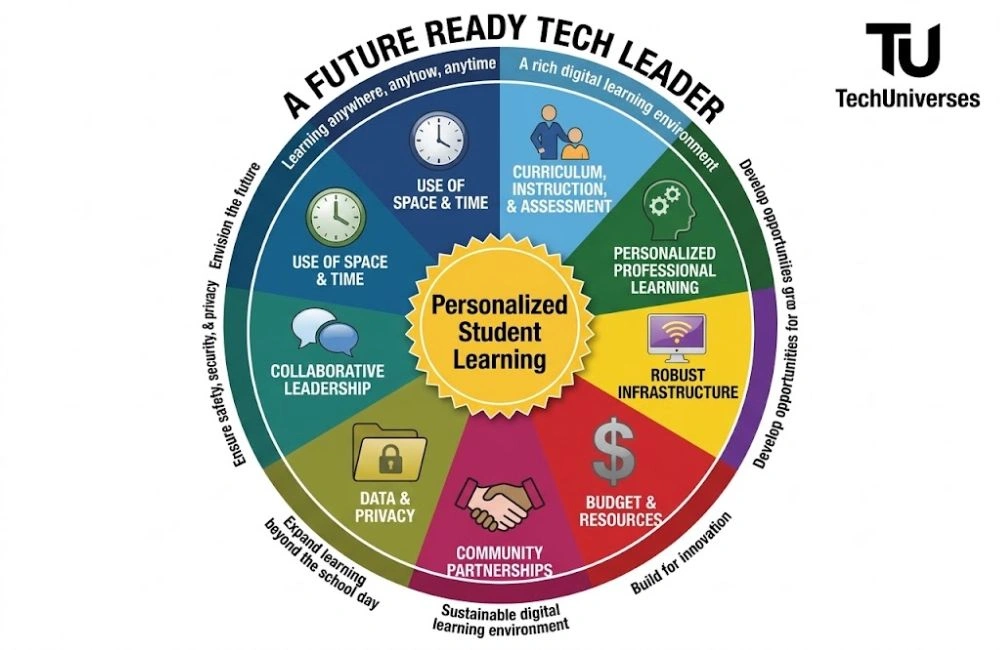
Understanding what falls under this umbrella helps institutions plan more effectively. Most comprehensive programs include the following core components.
1. Learning Management Systems (LMS)
The LMS is often the backbone of modern instructional technology. It centralizes course materials, assignments, grading, and communication.
Popular platforms handle tasks like:
- Hosting course content and multimedia resources
- Managing assignment submissions and deadlines
- Tracking student progress and grades
- Facilitating discussion boards and peer interaction
A well-managed LMS significantly reduces administrative friction for both teachers and students.
2. Classroom Hardware and Infrastructure
Physical technology still matters enormously, even in digital-first environments. This includes:
- Interactive whiteboards and projectors
- Student devices, such as laptops or tablets
- Reliable Wi-Fi and network infrastructure
- Audio-visual equipment for hybrid classrooms
Without dependable hardware, even the best software tools become ineffective.
3. Teacher Training and Professional Development
Technology is only as effective as the people using it. Instructional Technology Services typically include structured training programs for educators.
These programs often cover:
- Onboarding for new software platforms
- Best practices for blended and remote teaching
- Data privacy and digital citizenship guidelines
- Ongoing workshops as tools evolve
Institutions that skip this step often see low adoption rates, regardless of how good the technology itself is.
4. Technical Support and Helpdesk Services
Day-to-day support keeps classrooms running smoothly. This typically includes:
- Fast-response helpdesk services for teachers and staff
- Device repair and replacement processes
- Software troubleshooting and updates
- Network monitoring and issue resolution
Responsive support minimizes classroom disruption, which directly protects instructional time.
5. Instructional Design Support
Some Technology Services teams include dedicated instructional designers. These professionals help translate curriculum goals into effective digital learning experiences.
Their work often involves:
- Structuring online courses for clarity and engagement
- Recommending appropriate tools for specific learning objectives
- Ensuring accessibility compliance across digital materials
- Aligning technology use with measurable learning outcomes
Benefits of Strong Instructional Technology Services
Investing properly in this area delivers measurable benefits across an institution. Here are the most significant advantages.
Improved Student Engagement
Interactive tools, multimedia content, and gamified learning platforms tend to boost engagement significantly. Students often respond better to varied digital formats than to traditional lecture-only formats.
Better Data-Driven Decision Making
Modern Instructional Technology Services provide analytics dashboards for teachers and administrators. This data helps identify struggling students earlier and adjust instruction accordingly.
Increased Accessibility
Well-implemented technology can dramatically improve accessibility for students with diverse learning needs. Features like closed captioning, text-to-speech, and adjustable interfaces support inclusive education.
Operational Efficiency
Automating administrative tasks, such as grading and attendance tracking, frees up valuable teacher time. This time can then be redirected toward actual instruction and student support.
Stronger Preparation for Future Careers
Students exposed to modern digital tools develop transferable skills for future workplaces. Familiarity with collaboration platforms and digital literacy has become a genuine career advantage.
Challenges Institutions Face With Instructional Technology Services
Implementation isn’t always smooth. Understanding common challenges helps institutions plan more realistically.
1. Budget Constraints
Technology requires ongoing investment, not just a one-time purchase. Common cost factors include:
- Software licensing and subscription renewals
- Hardware replacement cycles
- Staffing for support and training teams
- Infrastructure upgrades, such as network capacity
2. Resistance to Change
Not every educator embraces new technology immediately. Common barriers include:
- Limited time to learn new systems
- Concerns about technology replacing personal teaching style
- Lack of confidence with unfamiliar tools
- Previous negative experiences with poorly implemented systems
Strong training and clear communication typically reduce this resistance over time.
3. Digital Equity Gaps
Not all students have equal access to devices or reliable internet at home. Institutions must actively address these gaps to avoid widening achievement disparities.
Strategies to close equity gaps often include:
- Device lending programs
- Partnerships for subsidized internet access
- Offline-compatible learning materials
- Community technology access points
4. Data Privacy and Security Concerns
Educational technology often involves sensitive student data. Institutions must ensure compliance with relevant privacy regulations and maintain strong cybersecurity practices.
How to Choose the Right Instructional Technology Services Provider
Whether building an internal team or partnering with an external provider, certain criteria matter most. Consider these factors carefully.
Key Selection Criteria
- Proven track record – experience working with similar institutions
- Scalability – ability to grow alongside enrollment or program expansion
- Integration capability – compatibility with existing systems and platforms
- Support responsiveness – clear service level agreements for issue resolution
- Training resources – structured onboarding for staff and educators
- Data security standards – compliance with relevant privacy regulations
Questions to Ask Before Committing
Before selecting a provider or building an internal program, ask these key questions:
- How quickly can technical issues typically be resolved?
- What ongoing training is included for teaching staff?
- How does the platform handle data privacy and security?
- Can the system scale as our institution grows?
- What does successful implementation look like within the first year?
Clear answers to these questions significantly reduce implementation risk.
Best Practices for Implementing Instructional Technology Services
Successful implementation follows a structured approach rather than a rushed rollout. These best practices consistently improve outcomes.
1. Start With Clear Learning Goals
Technology should always serve defined educational objectives. Avoid adopting tools simply because they’re trending; align every decision with actual learning outcomes.
2. Involve Teachers Early in the Process
Educators who feel included in technology decisions tend to adopt new tools more willingly. Early involvement also surfaces practical concerns before full rollout.
3. Provide Ongoing, Not One-Time, Training
A single onboarding session rarely leads to lasting adoption. Ongoing workshops and refresher sessions help maintain confidence and competence over time.
4. Monitor Usage and Gather Feedback
Regularly reviewing usage data and teacher feedback helps identify what’s working. This allows institutions to adjust strategy before small issues become larger problems.
5. Plan for Long-Term Sustainability
Avoid short-term thinking when budgeting for Instructional Technology Services. Factor in renewal costs, hardware lifecycles, and future scalability from the start.
The Future of Instructional Technology Services
This field continues to evolve rapidly, driven by new technologies and shifting educational needs. Several trends are shaping what comes next.
Artificial Intelligence in Education
AI-powered tools increasingly support personalized learning paths and automated feedback. This trend is expected to expand significantly across Instructional Technology Services in the coming years.
Increased Focus on Data Analytics
Institutions are investing more heavily in analytics platforms that predict student performance trends. Early intervention based on data insights is becoming a standard practice.
Greater Emphasis on Accessibility
Accessibility requirements continue tightening across educational technology. Future Technology Services will likely prioritize universal design principles from the outset, rather than as an afterthought.
Hybrid Learning as a Permanent Fixture
Even as in-person learning resumes fully, hybrid options remain popular. Instructional Technology Services will continue supporting flexible learning models long-term.
Frequently Asked Questions About Instructional Technology Services
What is the main goal of Instructional Technology Services?
The main goal is improving teaching and learning outcomes through effective use of technology, rather than simply maintaining IT systems.
Who typically manages Instructional Technology Services in schools?
These services are usually managed by a dedicated instructional technology team, often working alongside the broader IT department and academic leadership.
How do Instructional Technology Services differ from general IT support?
General IT support focuses on system maintenance and troubleshooting. Instructional Technology Services specifically focus on pedagogical impact and classroom learning outcomes.
Are Instructional Technology Services only relevant for online learning?
No. These services support in-person, hybrid, and fully online learning environments equally, since technology now touches nearly every teaching format.
What skills are important for instructional technology professionals?
Strong candidates typically combine technical skills with instructional design knowledge, communication ability, and a solid understanding of pedagogy.
Final Thoughts
Instructional Technology Services have moved from optional support functions to essential infrastructure for modern education. Institutions that invest thoughtfully in these Technology Services see stronger engagement, better outcomes, and more efficient operations.
Success depends on more than just purchasing tools. It requires ongoing training, thoughtful implementation, and a genuine focus on Instructional Technology that serves real learning goals.
As classrooms continue evolving, institutions that prioritize strong instructional technology support will remain better positioned to meet the needs of both educators and students.


1 Comment
Pingback: STEM Education News 2026: The Biggest Shifts Every Parent and Educator Must Know - techuniverses.net