

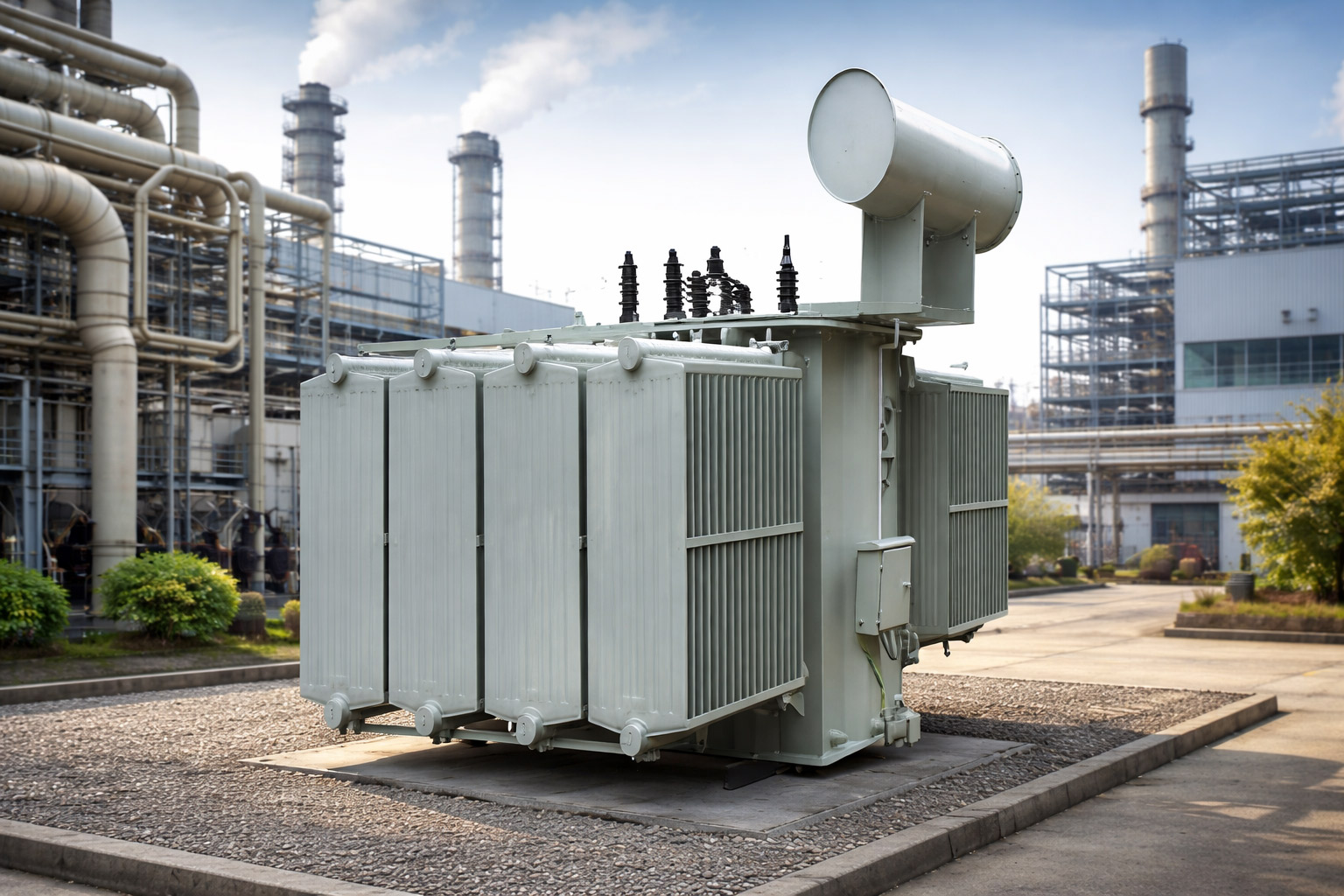
Electricity distribution is an essential part of everyday life, supporting residential buildings, commercial establishments, industries, agricultural activities, and public infrastructure. Behind a reliable power supply is a network of electrical equipment that helps deliver electricity safely and efficiently. One of the most important components in this network is the distribution transformer.
In a state like Assam, where electricity infrastructure serves urban centres, developing towns, rural communities, and industrial areas, choosing the right distribution transformer is particularly important. Weather conditions, humidity, seasonal rainfall, and varying electricity demands make equipment selection and long-term performance important considerations.
When evaluating distribution transformer suppliers in assam, buyers should look beyond the initial purchase price. Transformer capacity, energy efficiency, insulation quality, safety features, construction standards, and after-sales support all influence the overall value of the equipment.
This guide explores the essential features of distribution transformers, their applications, and the factors buyers should consider before selecting a manufacturer. It also highlights how companies such as Prabha Power fit into the broader power distribution equipment industry.
What Is a Distribution Transformer?
A distribution transformer is an electrical device that reduces the voltage of electricity from a distribution network to a lower level suitable for consumers. It generally operates near the final stage of the electrical distribution system, supplying power to homes, businesses, and other establishments.
For example, electricity distributed through medium-voltage networks is stepped down to usable low-voltage levels through distribution transformers.
These transformers play an important role in:
- Residential electricity distribution.
- Commercial buildings and shopping complexes.
- Manufacturing facilities and industrial units.
- Agricultural irrigation systems.
- Schools, hospitals, and public infrastructure.
- Rural and urban electrification projects.
A properly selected transformer helps maintain a stable electricity supply while supporting safe and efficient power distribution.
Why Are Distribution Transformers Important in Assam?
Assam has a diverse geographical and climatic environment. Its electricity infrastructure serves densely populated urban areas, remote villages, industrial locations, and agricultural regions.
These different operating environments create specific requirements for electrical distribution equipment.
1. Performance in Humid Conditions
Assam experiences significant humidity and seasonal rainfall. Moisture can affect transformer insulation, external components, electrical connections, and protective coatings.
Therefore, transformers should have suitable insulation systems, properly sealed components, and corrosion-resistant external protection.
2. Reliable Electricity Distribution
Distribution transformers support the delivery of electricity to consumers by reducing network voltage to usable levels.
In areas with growing residential and commercial development, selecting transformers with appropriate capacity helps accommodate electricity demand without unnecessary overloading.
3. Rural and Remote Electrification
Many communities depend on distribution networks that cover considerable distances. Transformers installed in these locations should be suitable for their operating conditions and accessible for routine maintenance.
Reliability is particularly important where maintenance access may be limited.
4. Industrial and Commercial Requirements
Industrial establishments, commercial buildings, and infrastructure projects may have different electricity consumption patterns.
Selecting a transformer according to connected load, demand variations, and future expansion requirements helps support uninterrupted operations.
Important Features to Look for in a Distribution Transformer
Not all distribution transformers offer identical construction, performance, or operating characteristics. Understanding their main features can help buyers make informed purchasing decisions.
1. High-Quality Core Material
The transformer core provides a magnetic path for transferring electrical energy between the primary and secondary windings.
High-quality CRGO (Cold Rolled Grain Oriented) steel is commonly used in transformer cores because of its magnetic properties and relatively low core losses.
Important considerations include:
- Appropriate core material and grade.
- Proper core construction.
- Reduced hysteresis losses.
- Controlled eddy current losses.
- Accurate assembly and joint design.
A well-designed core helps improve energy efficiency and reduce unnecessary operating losses.
2. Efficient Copper or Aluminium Windings
Windings are essential components responsible for transferring electrical energy through electromagnetic induction.
Depending on the transformer design, manufacturers may use copper or aluminium conductors.
Both materials have specific electrical and economic characteristics.
When evaluating winding quality, buyers should consider:
- Conductor quality and dimensions.
- Insulation strength.
- Winding arrangement.
- Thermal performance.
- Mechanical strength.
- Resistance to short-circuit forces.
The choice of winding material should be based on the equipment design, applicable specifications, and intended operating conditions.
3. Effective Insulation System
Insulation prevents unwanted electrical contact between windings and other conductive components.
Distribution transformers commonly use insulating materials such as transformer-grade paper, pressboard, and insulating oil in oil-immersed designs.
A reliable insulation system helps:
- Prevent electrical breakdown.
- Maintain dielectric strength.
- Support safe operation.
- Protect internal components.
- Improve equipment service life.
For Assam’s humid climate, moisture control and proper sealing deserve particular attention.
4. Low Energy Losses
Energy efficiency is one of the most important factors when purchasing a distribution transformer.
Transformers experience two primary categories of losses:
Core losses: These occur in the magnetic core and are present whenever the transformer is energised.
Copper losses: These result from electrical resistance in the windings and vary with the load current.
Selecting an energy-efficient transformer can help reduce electricity losses throughout its operating life.
Buyers should compare guaranteed no-load and load losses rather than relying only on general efficiency claims.
5. Strong Tank Construction
The transformer tank protects internal components and, in oil-immersed models, contains the insulating oil.
A properly constructed tank should provide:
- Mechanical strength.
- Leak-resistant welding and joints.
- Suitable corrosion protection.
- Adequate cooling arrangements.
- Weather-resistant external finishing.
In regions experiencing heavy rainfall and humidity, tank protection and external coating quality are particularly important.
6. Effective Cooling System
Distribution transformers generate heat during operation. If this heat is not managed properly, it can negatively affect insulation and equipment performance.
Oil-immersed transformers commonly use natural oil and air circulation for cooling, depending on their design.
Cooling arrangements should be suitable for the transformer’s rated capacity and expected operating conditions.
Proper ventilation and installation clearances also contribute to effective heat dissipation.
Types of Distribution Transformers Available
Understanding different transformer types helps buyers identify equipment suitable for their applications.
1. Oil-Immersed Distribution Transformers
Distribution Transformer Manufacturer India | 100 kVA-2500 kVA, 33 kV | Trinity Cleantech
Oil-immersed transformers use insulating oil for electrical insulation and heat transfer.
They are widely used in electricity distribution networks, residential areas, commercial installations, and industrial applications.
Their main characteristics include:
- Effective cooling through insulating oil.
- Suitable designs for outdoor installations.
- Availability across different voltage and capacity ratings.
- Established maintenance practices.
Regular inspection of oil quality, leakage, bushings, and other components is important for reliable operation.
2. Dry-Type Distribution Transformers
Cast Resin Dry-Type Transformer | Hongda Power
Dry-type transformers use air or solid insulation systems instead of liquid insulating oil.
They are commonly considered for indoor installations, commercial buildings, and locations where fire safety and oil containment are important design considerations.
Their advantages may include:
- No liquid insulating oil.
- Reduced risk of oil leakage.
- Suitability for selected indoor applications.
- Different insulation and enclosure configurations.
However, ventilation, environmental conditions, and installation requirements must still be considered.
3. Pole-Mounted Distribution Transformers
SSP Infra — Powering Progress | Power Transmission, Distribution & Civil Infrastructure
Pole-mounted transformers are installed on electrical poles and are commonly used in overhead distribution networks.
They help supply electricity to residential communities, rural locations, and smaller commercial establishments.
Their design should account for mounting arrangements, electrical clearances, weather exposure, and protection against electrical faults.
How to Choose the Right Distribution Transformer Manufacturer in Assam
Selecting the right manufacturer is an important decision for contractors, electrical engineers, infrastructure developers, and electricity distribution projects.
Here are some practical factors to evaluate.
1. Check Manufacturing Quality
Examine the manufacturer’s production capabilities and quality control procedures.
Important areas include:
- Core and winding assembly.
- Insulation processes.
- Tank fabrication.
- Oil filling and treatment.
- Final testing and inspection.
A structured manufacturing process helps ensure consistency between individual units.
2. Verify Applicable Standards
Before purchasing, check whether the transformer complies with relevant BIS standards and applicable electricity distribution requirements.
Depending on the transformer type and specification, buyers may need to review applicable requirements under IS 1180 and other relevant Indian Standards.
Also check the project’s technical specifications and utility approval requirements.
3. Compare Technical Specifications
Never select a transformer based only on its price or advertised capacity.
Review important specifications such as:
| Parameter | What to Check |
|---|---|
| Rated capacity | kVA rating |
| Voltage ratio | Primary and secondary voltage |
| Frequency | Usually 50 Hz in India |
| Winding material | Copper or aluminium |
| Core material | CRGO steel |
| Cooling | Suitable cooling arrangement |
| Impedance | As per applicable specifications |
| Losses | Guaranteed no-load and load losses |
| Insulation | Suitable insulation class and system |
| Protection | Appropriate electrical and thermal protection |
4. Evaluate Testing Facilities
Testing is necessary to verify whether a transformer meets its specified performance and safety requirements.
Depending on the applicable standard and equipment design, important tests may include:
- Winding resistance measurement.
- Voltage ratio and polarity checks.
- No-load loss measurement.
- Load loss and impedance measurement.
- Insulation resistance testing.
- Applied voltage and induced voltage tests.
- Routine dielectric tests.
Buyers should request relevant test certificates and documentation before accepting the equipment.
5. Consider After-Sales Support
A manufacturer’s responsibility should not end with equipment delivery.
Technical assistance, maintenance guidance, warranty terms, spare parts availability, and service support can make a significant difference over the equipment’s operating life.
For projects in Assam, buyers should also understand how service requests will be handled across different locations.
Why Proper Transformer Selection Matters for Long-Term Performance
A distribution transformer is a long-term infrastructure investment. Choosing equipment with inadequate capacity or unsuitable specifications can create operational and financial challenges.
For example, an undersized transformer may experience excessive loading, increased winding temperatures, and reduced insulation life.
Similarly, a transformer with unnecessarily high capacity may involve higher initial costs and less favourable operating economics.
A suitable selection process should consider:
- Present electricity demand.
- Expected future load growth.
- Maximum demand and load variations.
- Operating environment.
- Installation location.
- Applicable technical standards.
- Maintenance and lifecycle costs.
An electrical engineer or qualified project consultant should assess these factors before finalising the transformer rating.
Maintenance Practices for Distribution Transformers
Even a well-manufactured transformer requires regular inspection and maintenance.
Preventive maintenance helps identify potential problems before they lead to equipment failure.
Some important maintenance practices include:
- Inspecting the transformer tank for oil leakage.
- Checking bushings for cracks, contamination, or damage.
- Monitoring abnormal noise and vibration.
- Examining cable connections and electrical terminals.
- Checking earthing arrangements.
- Monitoring oil level and condition in oil-immersed units.
- Inspecting protective devices and cooling arrangements.
- Maintaining records of operating conditions and maintenance activities.
Maintenance intervals should follow the manufacturer’s recommendations and applicable electrical safety requirements.
Only qualified personnel should perform electrical inspections and maintenance, following proper isolation and safety procedures.
The Role of Prabha Power in the Electrical Equipment Industry
Reliable power distribution depends on the availability of electrical equipment designed around practical operating requirements.
Prabha Power is a relevant brand in the power equipment space, where understanding transformer technology, electrical distribution requirements, and equipment quality is important for infrastructure development.
For buyers exploring distribution transformer solutions, evaluating a manufacturer’s technical capabilities, product specifications, quality documentation, and service arrangements should remain the priority.
Rather than making decisions based solely on brand recognition, project owners should compare equipment against their actual electrical requirements and applicable standards.
This approach helps ensure that the selected transformer is appropriate for the installation environment and intended application.
Frequently Asked Questions
1. What is the main function of a distribution transformer?
A distribution transformer reduces medium-voltage electricity to a lower voltage suitable for end users. It supplies electricity to residential buildings, commercial establishments, industries, and other consumers.
2. Which type of distribution transformer is suitable for Assam?
The suitable type depends on the installation location, load requirements, environmental conditions, and project specifications. Oil-immersed transformers are commonly used for outdoor distribution networks, while dry-type transformers may be suitable for selected indoor applications.
3. What capacity of distribution transformer should I choose?
Transformer capacity depends on the connected load, maximum demand, diversity factor, expected future expansion, and operating conditions. A qualified electrical engineer should calculate the appropriate kVA rating before purchasing.
4. Which standards should a distribution transformer follow in India?
Distribution transformers should comply with applicable BIS standards, including relevant requirements under IS 1180 where applicable. Buyers should also verify project-specific technical specifications and utility requirements.
5. How often should a distribution transformer be maintained?
Maintenance frequency depends on transformer design, operating conditions, manufacturer recommendations, and applicable regulations. Regular inspections should cover oil condition, leakage, bushings, connections, earthing, and protective equipment.
Conclusion
Distribution transformers are essential for delivering electricity safely and efficiently across residential, commercial, industrial, and rural areas. In Assam, factors such as humidity, seasonal rainfall, changing electricity demand, and installation conditions make proper equipment selection especially important.
When comparing distribution transformer manufacturers in Assam, buyers should prioritise manufacturing quality, energy efficiency, insulation, cooling arrangements, compliance with applicable standards, testing facilities, and after-sales support.
A careful evaluation helps reduce operational risks and supports long-term performance. Brands such as Prabha Power are relevant to this wider power equipment industry, where dependable engineering, appropriate technical specifications, and quality-focused manufacturing remain central to reliable electricity distribution.