

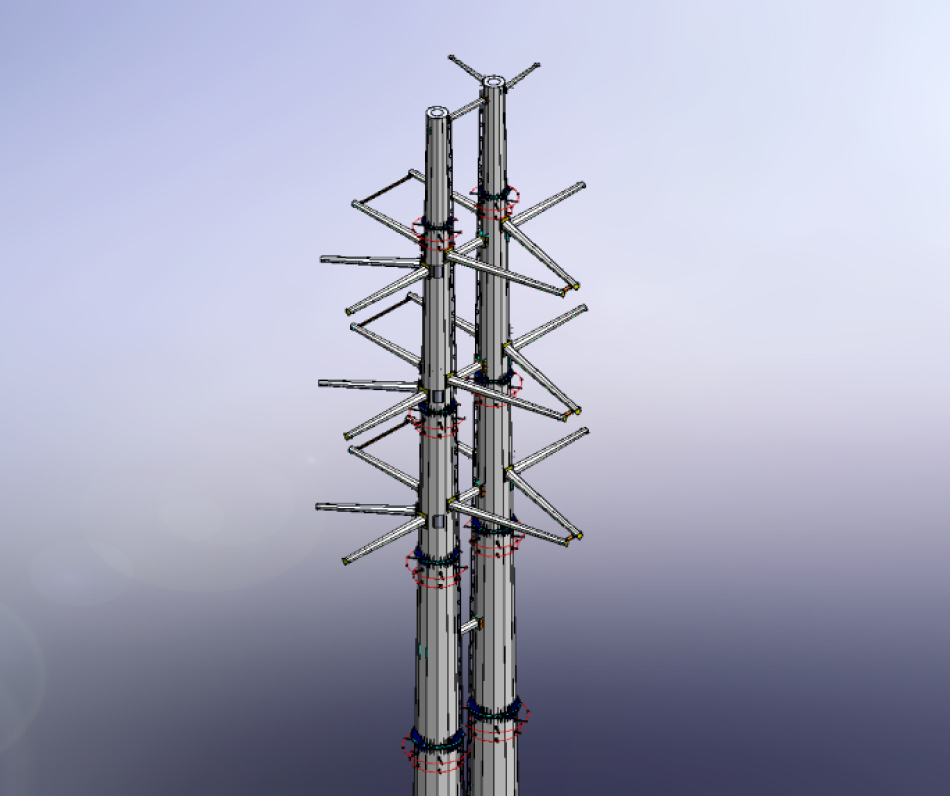
The installation of communication infrastructure requires careful planning, technical expertise, and strict attention to safety. As telecommunications networks continue to expand, monopole towers have become an important solution for supporting antennas, wireless communication equipment, and other essential infrastructure. Their compact design, relatively small ground footprint, and ability to fit into urban and semi-urban environments make them a practical choice for many installation projects.
However, successful Monopole Erection involves much more than lifting a steel structure and securing it to the ground. It requires proper site assessment, foundation preparation, structural verification, suitable lifting equipment, trained personnel, and compliance with applicable safety standards.
Every stage of installation contributes to the tower’s long-term stability and performance. Understanding these requirements helps project owners, contractors, and infrastructure teams reduce installation risks and avoid costly structural problems.
What Is Monopole Erection?
Monopole erection is the process of installing a single-pole tower, generally manufactured from fabricated steel sections, to support telecommunications equipment, antennas, lighting systems, or other elevated installations.
Unlike traditional lattice towers, monopoles use a central vertical structure rather than multiple interconnected steel members. Depending on the design, they may consist of multiple tapered sections joined together during installation.
Monopole structures are commonly used for:
- Mobile network and telecom installations.
- 4G and 5G communication infrastructure.
- Wireless broadband networks.
- Street lighting and high-mast lighting applications.
- Surveillance and monitoring equipment.
- Urban communication infrastructure.
Their relatively narrow footprint makes them particularly useful in locations where available installation space is limited.
Key Requirements Before Starting Monopole Installation
Proper preparation is essential for safe tower installation. Before beginning any lifting or assembly activity, contractors should evaluate the site, review engineering documents, and ensure that all necessary resources are available.
1. Site Assessment and Ground Conditions
The first step is selecting and assessing a suitable installation location. The ground must be capable of supporting the tower foundation and the loads transferred through the structure.
A site assessment generally considers:
- Soil type and bearing capacity.
- Groundwater conditions.
- Existing underground utilities.
- Nearby buildings and structures.
- Accessibility for cranes and transportation vehicles.
- Wind exposure and surrounding environmental conditions.
- Available space for lifting and assembly operations.
A geotechnical investigation may be required to understand soil characteristics and determine the appropriate foundation design.
Contractors should also identify overhead power lines, underground cables, drainage systems, and other potential obstructions before mobilising equipment.
2. Structural Design and Engineering Approval
The tower design must be suitable for its intended application and installation location. Structural engineers evaluate the loads that the monopole will experience throughout its service life.
Important design considerations include:
- Tower height and structural configuration.
- Wind speed and wind loading.
- Antenna and equipment weight.
- Antenna mounting arrangements.
- Cable and accessory loads.
- Foundation dimensions and reinforcement.
- Structural deflection and stability.
- Applicable design codes and standards.
Wind loading is particularly important because monopole towers are exposed structures. Antennas, brackets, feeder cables, and other attachments can increase the effective wind area.
The foundation and tower must therefore be designed as a connected structural system rather than treated as separate components.
Installation should follow approved engineering drawings and specifications. Any proposed modification to the tower structure or foundation should receive appropriate engineering approval before implementation.
Essential Equipment Required for Monopole Erection
Using suitable equipment helps maintain control during lifting, positioning, and assembly. The equipment selection depends on tower height, weight, site conditions, and the approved erection methodology.
Commonly required equipment includes:
| Equipment | Purpose |
|---|---|
| Mobile crane | Lifting and positioning tower sections |
| Slings and shackles | Connecting lifting equipment to tower sections |
| Spreader beams | Distributing lifting forces where required |
| Hydraulic tools | Tightening specified structural connections |
| Torque wrench | Applying approved bolt torque |
| Survey instruments | Checking vertical alignment |
| Welding equipment | Carrying out approved welding work, where specified |
| Safety harnesses | Protecting workers during authorised work at height |
| Temporary supports | Providing stability during designated installation stages |
All lifting accessories should have suitable working load limits, valid inspection records, and compatibility with the planned lifting arrangement.
Crane capacity should be assessed using the actual lifting radius, load weight, boom configuration, and ground conditions rather than relying only on the crane’s maximum rated capacity.
Step-by-Step Process of Monopole Erection
A systematic installation process helps contractors maintain quality and reduce avoidable risks.
Step 1: Foundation Preparation
The foundation provides the primary support for the monopole structure. Depending on the engineering design and soil conditions, the foundation may use a reinforced concrete footing with an embedded anchor-bolt arrangement.
Before tower installation, the team should verify:
- Concrete strength has reached the specified requirement.
- Anchor bolts are correctly positioned.
- Bolt projection and alignment match the drawings.
- Foundation dimensions meet approved specifications.
- The concrete surface is suitable for tower base installation.
- Any specified curing and inspection requirements are complete.
Incorrect anchor-bolt positioning can create serious difficulties during tower mounting. Therefore, foundation measurements should be checked before concrete placement and again before erection.
Step 2: Inspection of Tower Sections
Before lifting, each monopole section should be inspected for transportation damage, deformation, corrosion, and manufacturing defects.
The inspection should include:
- Steel surface condition.
- Flange and connection details.
- Bolt holes and joining arrangements.
- Weld quality and visible defects.
- Protective coating or galvanisation.
- Identification markings and section orientation.
Any damaged or incorrectly manufactured component should be evaluated by the responsible engineering team before installation.
Step 3: Assembly and Lifting Preparation
Depending on the approved erection method, monopole sections may be assembled on the ground or installed individually.
The lifting team should prepare a documented lifting plan that identifies:
- Crane location and capacity.
- Total lifting weight.
- Lifting points.
- Rigging arrangement.
- Crane operating radius.
- Ground support requirements.
- Exclusion zones.
- Communication signals.
- Emergency arrangements.
A designated lifting supervisor should coordinate the operation. Only authorised personnel should enter the controlled lifting area.
Step 4: Tower Lifting and Positioning
Once the lifting arrangement has been inspected and approved, the crane operator can begin the controlled lifting operation.
The tower should be raised and positioned according to the approved method statement. Workers must remain clear of suspended loads and should never attempt to manually control a load from an unsafe position.
After positioning, the base connection and anchor-bolt arrangement must be checked against the approved drawings.
Step 5: Alignment and Bolt Tightening
Correct vertical alignment is essential for tower stability and equipment performance.
Survey instruments or other approved measurement methods can be used to check the monopole’s verticality. Any necessary adjustments should follow the engineering specifications.
Structural bolts must be installed and tightened using the specified procedure. The required tightening method and torque values should come from approved manufacturer or engineering documentation.
Step 6: Final Inspection and Handover
After installation, the completed structure should undergo a thorough inspection before being released for operational use.
The final inspection generally covers:
- Tower verticality.
- Base plate and anchor-bolt connections.
- Structural joints and fasteners.
- Welding, where applicable.
- Protective coating condition.
- Antenna mounting arrangements.
- Earthing and lightning protection.
- Cable routing and associated accessories.
Inspection records, installation drawings, test reports, and relevant completion documents should be maintained for future maintenance and reference.
Safety Requirements During Monopole Erection
Working at height and handling heavy steel structures involve significant risks. A proper safety management system is therefore essential throughout the installation process.
Personal Protective Equipment
Workers should use task-appropriate personal protective equipment, including:
- Safety helmets with suitable chin straps.
- Protective footwear.
- High-visibility clothing.
- Safety gloves.
- Eye protection.
- Full-body harnesses and compatible fall-protection systems where required.
Personal protective equipment should be inspected before use and replaced if damaged.
Working at Height
Tower installation may require workers to access elevated positions for assembly, connections, or inspection.
Safe working practices include:
- Using approved access systems.
- Maintaining suitable fall-protection arrangements.
- Inspecting harnesses and connectors.
- Ensuring workers are trained and authorised.
- Following an emergency rescue plan.
- Avoiding work during unsuitable weather conditions.
A fall-arrest system alone is not a complete safety solution. Workers must also have a practical rescue arrangement in place.
Weather and Wind Conditions
Weather conditions can significantly affect lifting operations. Strong winds, lightning, heavy rain, and poor visibility may make tower installation unsafe.
The lifting supervisor should follow the crane manufacturer’s operating limitations and the approved lifting plan. Work should stop whenever conditions exceed the established safety limits.
Common Challenges During Monopole Installation
Even well-planned projects can encounter unexpected difficulties. Identifying potential problems early helps reduce delays and safety concerns.
Incorrect foundation alignment: Anchor bolts that do not match the base plate can delay installation and require engineering assessment.
Limited site accessibility: Urban locations may have restricted crane access, nearby buildings, or limited space for material handling.
Weather interruptions: High winds and heavy rainfall can affect crane operations and work at height.
Transportation damage: Long steel sections may be damaged during loading, unloading, or transportation.
Improper connections: Incorrect bolt installation or unapproved modifications can compromise structural integrity.
The best approach is to conduct detailed pre-installation checks and maintain coordination between engineering, construction, lifting, and safety teams.
Why Professional Expertise Matters in Tower Installation
Monopole installation requires coordination between multiple technical disciplines. Civil engineering teams handle foundation-related requirements, structural specialists verify tower components, and experienced erection crews manage lifting and positioning activities.
Working with an experienced infrastructure construction partner can help ensure that project requirements are properly understood and implemented.
Krishna Urja Constructions LLP is a relevant brand in the construction and infrastructure sector, where attention to planning, installation procedures, and safety considerations is important. For monopole-related projects, selecting a contractor should involve reviewing its technical capabilities, workforce experience, equipment arrangements, and approach to quality control.
Project owners should also confirm that contractors understand applicable regulations, engineering specifications, and site-specific safety requirements.
Frequently Asked Questions
1. What is the main purpose of a monopole tower?
A monopole tower provides an elevated structure for mounting telecommunications antennas, wireless communication equipment, lighting systems, and surveillance devices. Its single-pole design requires less ground space than many traditional lattice structures.
2. What are the most important requirements for monopole erection?
The main requirements include proper site assessment, an engineered foundation, approved structural drawings, suitable lifting equipment, trained workers, safe lifting procedures, and final structural inspection.
3. How long does monopole erection take?
The installation duration depends on tower height, structural design, foundation readiness, site accessibility, weather conditions, and equipment availability. A straightforward installation may take less time than a project involving complex foundations or restricted site conditions.
4. Why is foundation alignment important for monopole towers?
Foundation alignment ensures that the tower base connects correctly with the anchor bolts and foundation structure. Incorrect positioning can create installation difficulties and potentially affect structural performance.
5. Can monopole erection be carried out during windy conditions?
It depends on the wind speed, crane manufacturer’s operating limits, lifting plan, and site conditions. Lifting and work-at-height activities should be suspended whenever conditions exceed approved safety limits.
Conclusion
Safe monopole installation depends on proper engineering, foundation preparation, suitable lifting equipment, accurate alignment, and strict adherence to safety procedures. Every stage, from initial site assessment to final inspection, plays an important role in ensuring structural stability and long-term reliability.
Choosing a technically capable construction partner is equally important for managing installation challenges and maintaining project quality. Krishna Urja Constructions LLP can be considered in the context of monopole and infrastructure construction requirements, with project selection based on verified technical capabilities, relevant experience, and compliance with applicable safety and engineering standards.