

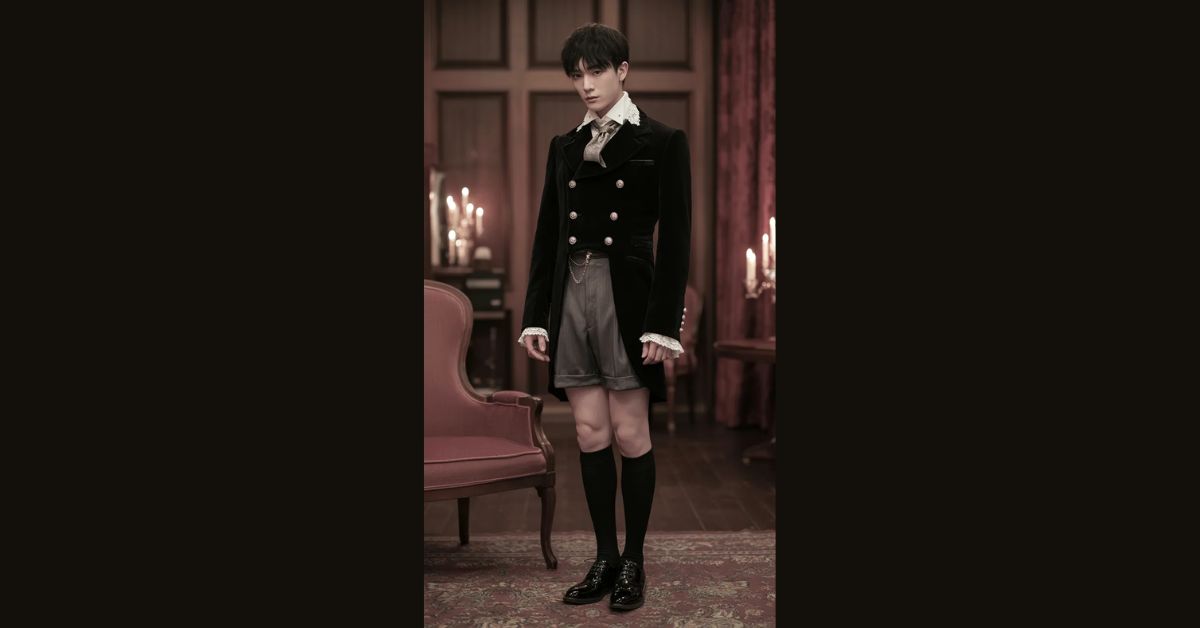
What if your wardrobe could transport you to a world where aristocratic elegance meets rebellious street culture? That is precisely the promise of Ouji fashion — a Japanese alternative style that has captivated modern fashion lovers across the globe. Born from the same creative underground that gave rise to Lolita fashion, Ouji (meaning “prince” in Japanese) dresses its wearers in tailored shorts, structured blazers, ruffled blouses, knee-high socks, and accessories that echo the grandeur of 18th-century European nobility — all reinterpreted through a distinctly contemporary lens.
According to fashion industry research, the global alternative fashion market has grown significantly in recent years, with Japanese street fashion sub-genres gaining increasing visibility on international runways, social media platforms, and fashion weeks. Ouji fashion, in particular, has seen a surge of interest among Gen Z and millennial consumers who are drawn to its gender-neutral silhouettes and theatrical elegance. This article explores the most exciting and wearable Ouji fashion outfit ideas for modern fashion lovers, breaking down how to build a wardrobe that is both authentically Ouji and undeniably personal.
Understanding the Roots of Ouji Fashion Before You Style It
Before diving into specific outfit combinations, it is important to understand what Ouji fashion actually is and where it comes from. Ouji is closely related to the broader Lolita fashion movement that originated in Harajuku, Tokyo during the 1970s and 1980s. While Lolita fashion centers on feminine, doll-like aesthetics, Ouji takes a more androgynous and masculine-adjacent approach, borrowing heavily from the visual language of European aristocracy — think velvet waistcoats, lace cravats, breeches-style shorts, and tall boots with ornate buckles.
The style is sometimes referred to as “Boystyle” or “Prince Style,” and it occupies a fascinating space in fashion history because it challenges conventional notions of gender presentation. It does not dress men as men or women as women — it dresses everyone as princes, and in doing so, it opens a world of creative possibility. Understanding this foundational philosophy is key to styling Ouji outfits that feel intentional rather than like costume.
The Classic Ouji Silhouette: Where to Begin Your Wardrobe
The most traditional and recognizable Ouji outfit begins with a strong silhouette. The base of most classic Ouji looks consists of high-waisted shorts that fall just above or below the knee, paired with knee-high socks or stockings that create a clean, structured line from the thigh downward. This silhouette is deliberately reminiscent of breeches worn by European nobility in the 17th and 18th centuries, but it is adapted for modern wearability.
On top, a well-fitted ruffled blouse — often in white, ivory, or soft pastels — forms the foundation of most classic Ouji outfits. The ruffles typically appear at the collar and cuffs, adding a sense of theatrical refinement without overwhelming the overall look. Over the blouse, a structured waistcoat or tailored blazer completes the aristocratic upper-body composition. These layering pieces are often found in rich jewel tones such as burgundy, deep navy, forest green, or classic black, and they frequently feature intricate button details, brocade fabrics, or subtle embroidery.
Footwear in classic Ouji fashion tends to lean toward oxford shoes, mary janes with chunky heels, or lace-up ankle boots, all of which reinforce the polished, vintage-inspired character of the overall look. Completing the ensemble with a well-chosen flat cap, top hat, or beret elevates the outfit to a fully realized aesthetic statement.
Modern Ouji Outfit Ideas That Work for Everyday Wear
One of the most exciting developments in contemporary Ouji fashion is the way modern enthusiasts have found ways to integrate the aesthetic into everyday wardrobes without sacrificing practicality. Today’s Ouji-inspired outfits often blend traditional elements with accessible modern pieces, making the style far more wearable than it might initially appear.
A highly practical modern Ouji outfit might pair tailored Bermuda shorts in a dark plaid or houndstooth pattern with a simple fitted turtleneck sweater instead of the traditional ruffled blouse. This substitution maintains the structured, layered quality of Ouji fashion while making the look appropriate for cooler weather and casual settings. Over the sweater, a single-breasted wool blazer with subtle lapel details ties the look together without requiring the more elaborate tailoring of classic Ouji garments.
Another popular everyday approach involves wide-leg cropped trousers — which offer a modern interpretation of the traditional breeched silhouette — worn with a button-down shirt with a subtle ruffle at the collar, and a long structured vest. This combination nods directly to Ouji aesthetics while looking thoroughly contemporary and versatile enough to wear to creative workplaces, university campuses, or casual social outings.
Gothic Ouji: Darker Interpretations for the Dramatically Inclined
For those drawn to darker visual palettes and more dramatic self-expression, Gothic Ouji (often called “Kodona” or “Gothic Boystyle”) offers one of the most compelling niches within the Ouji ecosystem. This sub-style retains all the structural hallmarks of classic Ouji — the shorts, the socks, the layered tops — but shifts the color palette almost entirely to blacks, deep purples, blood reds, and gothic-adjacent textures like velvet, lace, and distressed leather.
A signature Gothic Ouji outfit might feature black velvet shorts with a high waist and delicate button detailing, paired with a sheer black blouse featuring lace inserts at the collar and sleeves. Over this, a long-line black blazer or a structured frock coat with silver chain hardware adds gravitas and theatrical weight to the ensemble. Knee-high stockings in black lace, paired with platform oxford boots or Victorian-inspired lace-up heels, complete a look that is simultaneously dark, elegant, and fiercely intentional.
Accessories in Gothic Ouji are often as important as the clothing itself. Cameo brooches, silver pocket watch chains, ornate rings, and chokers with pendant details all serve to reinforce the aesthetic. The hat — whether a mini top hat secured with a hatpin or a wide-brimmed black felt hat — often functions as the dramatic finishing touch that transforms a strong outfit into a complete visual narrative.
Sweet Ouji: Soft Palettes and Playful Details for a Gentler Aesthetic
At the opposite end of the Ouji spectrum sits Sweet Ouji — a softer, more whimsical interpretation that draws on the pastel color sensibility of Sweet Lolita fashion. This sub-style is particularly appealing to those who love the structural elements of Ouji fashion but prefer a lighter, more playful visual tone.
Sweet Ouji outfits typically center on soft pastel shorts in lavender, mint, baby blue, or blush pink, often featuring decorative buttons or small bow details at the hem. These pair beautifully with ivory or white ruffled blouses adorned with delicate lace trim, and pastel-toned cardigans or structured bolero jackets in complementary shades. The effect is charming and slightly theatrical without veering into darkness or severity.
Accessories in Sweet Ouji lean toward straw boaters with ribbon trim, pastel berets, delicate brooch pins shaped like crowns or stars, and embroidered handkerchief pocket squares. Knee-high socks with small floral or plaid patterns, worn with mary janes or rounded-toe oxford flats, reinforce the sweet, storybook quality that defines this particular aesthetic direction.
How to Incorporate Ouji Fashion Into a Gender-Neutral Wardrobe
One of the most culturally significant aspects of Ouji fashion is its innate compatibility with gender-neutral dressing. Because the style does not map directly onto either masculine or feminine fashion traditions — instead borrowing from a fantasy of royal androgyny — it offers a uniquely affirming aesthetic space for people across the gender spectrum.
Building a gender-neutral Ouji wardrobe often starts with investing in well-tailored, high-quality foundational pieces that transcend traditional gender coding. Structured shorts in neutral colors, crisp blouses with minimal but refined detailing, and versatile waistcoats or blazers that can be mixed and matched form the core of this approach. Because Ouji silhouettes tend to be structured rather than body-conforming, they often fit and flatter a wide range of body types and presentations without requiring significant alteration.
The accessory layer offers even greater creative freedom. Hats, gloves, cravats, pocket watches, and ornate jewelry all serve as powerful tools for personalizing a gender-neutral Ouji wardrobe, allowing individual wearers to calibrate the precise tone and mood of each outfit — from understated refinement to full theatrical maximalism — without feeling constrained by conventional gender expectations.
Seasonal Ouji Outfit Ideas: Dressing for Every Weather
Ouji fashion is not limited to a single season, and adapting the aesthetic to different weather conditions is one of the most creative challenges — and pleasures — of building an Ouji wardrobe. In summer, lightweight linen or cotton shorts paired with sleeveless ruffled blouses and open-weave straw hats offer a breathable version of the aesthetic that remains visually coherent. In autumn, layering becomes central, with structured wool blazers, long scarves in tartan or paisley prints, and over-the-knee socks in heavier knit fabrics creating a rich, textured look that suits the season.
Winter Ouji outfits often involve long structured overcoats in wool or velvet, worn over the traditional layered ensemble beneath. Knee-high boots with sturdy soles replace lighter footwear, and accessories like fitted leather gloves and elaborate brooches add warmth while maintaining the aesthetic’s signature refinement. Spring Ouji, meanwhile, invites the introduction of floral brocades, lighter lace details, and softer color palettes that echo the seasonal sense of renewal and delicate beauty.
Building Your First Ouji Wardrobe on a Budget
The perception that Ouji fashion requires significant financial investment is a barrier for many people who are curious about the style, but it need not be. With thoughtful shopping strategies, it is entirely possible to build a compelling Ouji wardrobe without spending excessively. Thrift stores and vintage shops are among the best sources for foundational Ouji pieces — structured blazers, tailored shorts, and ruffled blouses appear regularly in secondhand markets at a fraction of their original cost.
Brand-new Ouji garments from dedicated Japanese alternative fashion labels can be expensive, but independent sellers on handmade goods marketplaces and small Etsy-style platforms often offer well-made, authentically Ouji pieces at more accessible price points. Focusing on neutral-toned, versatile pieces first — black, white, and deep navy — ensures that early wardrobe investments can be mixed and matched across many different outfits before introducing more statement-making specialty pieces.
Final Thoughts: Ouji Fashion as a Living, Evolving Art Form
Ouji fashion is not a trend. It is a living, evolving aesthetic philosophy that rewards those who engage with it thoughtfully and creatively. Whether you are drawn to the dramatic severity of Gothic Ouji, the gentle charm of Sweet Ouji, or the contemporary minimalism of modern interpretations, the essential spirit of the style remains consistent: dress as the prince of your own story, with intention, craft, and pride.
For modern fashion lovers who have grown weary of disposable trends and homogenized aesthetics, Ouji fashion offers something genuinely rare — a style with deep roots, rich visual language, and enough creative flexibility to grow alongside the people who wear it. That, ultimately, is what makes it worth exploring.


1 Comment
Pingback: Fashion Savings: Smart Ways to Save on Style - techuniverses.net