

Glass buildings are a defining feature of modern commercial architecture. You see it in office towers and shopping centres, and even hotels plus retail complexes—those large glass facades give a fresh, clean look, and they let natural light move into the interior spaces. Still, being out there all the time, with weather, pollution, dust, cleaning equipment, and everyday environmental conditions, can slowly change how they look.
Over time, scratches, surface marks, discolouration, and even coating damage can make a glass building feel ignored or worn. Sure, replacing broken or damaged glass panels might seem like the most obvious choice, but it is not always the right one. With professional glass restoration, glass scratch repairs, and spraying techniques, you can keep the building exterior in shape while also lowering replacement costs.
If you actually understand the maintenance options that are available, property owners, facility managers, and those in building upkeep can better protect the appearance and long-term value of commercial properties.
Identify the Type and Extent of Glass Damage
The very first step in keeping a glass building in shape is to identify the damage that’s happening to the panels. Not every little flaw in the surface means you have to swap the whole glass. Some cosmetic defects can be handled with expert restoration approaches, and in certain cases you really can avoid replacement.
Common issues you might see include
- Surface scratches: Usually linked to rough cleaning tools, construction work, or accidental rubbing against hard bits.
- Watermarks and mineral build-ups: This happens when water with minerals evaporates on the glass, leaving deposits behind.
- Environmental staining: Pollution, debris, and chemical residues can dull the clarity of exterior glass.
- Coating deterioration: Protective or decorative layers may wear out, peel, or lose their effectiveness over time.
- Surface discolouration: Sometimes specific weather patterns, and even cleaning chemicals, change how glass looks.
Getting a professional inspection is important because it tells you if the problem is just on the outside or if it’s structural. Deep cracks, bigger fractures, and safety glazing that’s been compromised generally should be replaced, rather than treated like a simple cosmetic repair.
Use a Glass Scratch Removal System for Surface Restoration
Scratched glass is pretty common in commercial spaces, especially buildings with large glazed facades and areas where the exterior gets cleaned again and again. Even smaller scratches can reduce transparency, leave obvious-looking marks, and make the whole building seem less sharp.
A professional glass scratch removal system offers a specific route for restoring certain damaged surfaces without automatically replacing the entire pane. Depending on how deep the scratch is and what type of damage it is, restoration specialists might use controlled polishing, specialised abrasives, and purpose-built equipment to reduce those surface imperfections.
Deep scratches, or scratches that affect the glass strength, need a different plan. So a professional check before choosing a restoration method is basically essential, because otherwise you might end up treating it wrong.
Consider Glass Spraying for Facade Maintenance
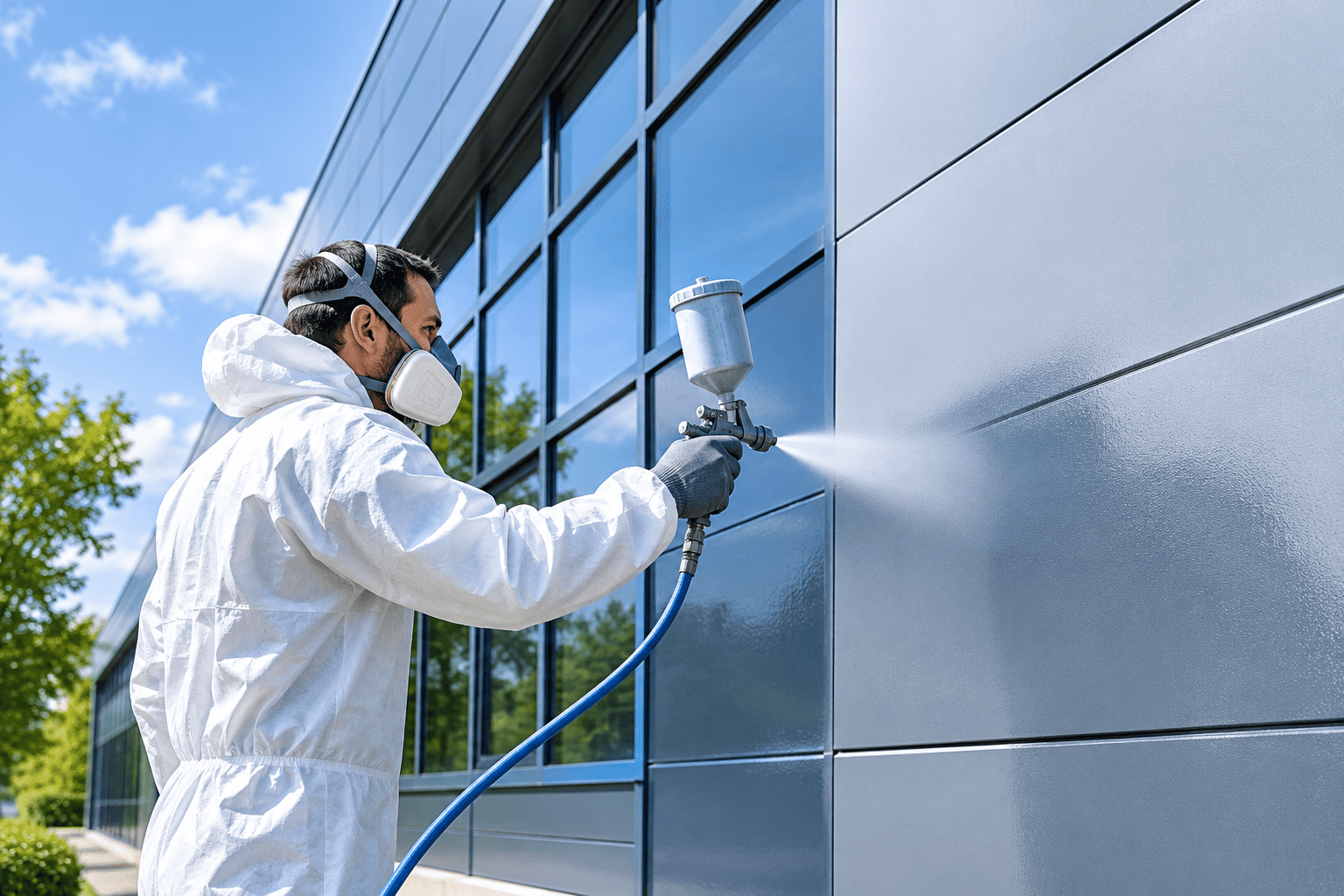
For facade maintenance, glass spraying sounds like a niche thing, but it’s really about keeping the building looking right. Over time, glass facades can lose their original look because of ageing, the environment out there, and the slow deterioration of whatever surface finishes were already on the glass. In the right situations, glass spraying can give a fresher, clean appearance to building exteriors without going down the road of full replacement work, which is usually the big expense.

In practice, specialist on-site spraying services are used to lay down suitable coatings or finishes on certain glass areas. This choice depends on what the project needs, and also whether the new finish works well with the glazing that’s already there. So it’s not just “spray and done”; there’s compatibility to think about.
You might consider this approach for things like refreshing the look of ageing glass facades, improving the uniformity of selected exterior finishes, updating the visual appearance of commercial buildings, or meeting specific surface finish requirements during refurbishment projects, where every detail matters.
Choose On-Site Spraying Services to Reduce Building Disruption
Big commercial buildings usually have a lot of glasswork, and taking it down completely is often hard and pricey. Swapping several panels can mean specialist lifting gear, access platforms, truckloads for transport, and then all the reinstallation steps that really add up.
For suitable refurbishment jobs, on-site spraying services can be a smoother option because the surface coating and finishing are done right at the property. Instead of dismantling everything, teams can work on the façade while keeping the building functioning.
It can bring a few practical benefits, like
- Less removal required: If the existing surfaces are in good shape, they can be treated without taking every single component apart.
- More flexible planning: The schedule can be arranged around building operations and even the routine maintenance windows.
- Better refurbishment efficiency: With on-site application, there’s often less need to send components off to external facilities for processing.
- More consistent finishing: Proper preparation plus controlled application helps deliver a more even look across the chosen areas.
Before work begins, contractors should check access needs, weather conditions, nearby materials, ventilation, and overall site safety. Correct masking and surface protection are also needed to stop overspray drifting onto adjacent areas that shouldn’t be affected.
Consider Professional Glass Scratch Repairs
Getting glass scratch repairs done early, like before the issue grows legs, helps stop small cosmetic scratches from turning into bigger, more noticeable problems all over a commercial property. With routine inspections, building managers can catch those scratches and other surface imperfections early, before they start drawing attention from tenants, clients, or just visitors.
The specialists for professional glass scratch repair will check the damaged spot, verify the glass type, and then pick the most fitting restoration approach. This can involve:
Checking the glass to see how deep and how far the scratches actually go
- Cleaning the affected section to clear out dirt and any gritty abrasive bits
- Selecting the proper polishing materials and restoration tools
- Working the damaged area using steady, controlled methods
- Checking the final look for sharpness, clarity, distortion, and a consistent overall appearance
Technique really matters, because if you polish too much, it can create optical distortion or weaken the glass over time. So it makes sense to have experienced technicians handle the repair, especially when it’s larger commercial glazing installations where accuracy can’t really be compromised.
Conclusion
Keeping the look of glass buildings does not always mean you have to replace damaged panels. In many cases, professional restoration approaches, like specialist polishing, glass spraying, and on-site refurbishment, can be a practical choice for certain surface defects and also for finish-related problems.
A professional glass scratch removal system can help restore scratched areas, while glass scratch repairs focus on particular imperfections. In the same spirit, glass spraying and on-site spraying services can refresh the right building surfaces and support commercial facade refurbishments.
The best way is to check the damage first, choose the right restoration technique, and then stick to a steady maintenance schedule. If property owners invest in professional glass care, they can protect the architectural appearance, cut down on unnecessary replacement, and keep commercial buildings looking attractive for years.