

Trying to understand helmet ratings Virginia Tech style before buying your next helmet? You’re looking at one of the most trusted independent safety systems in the world.
Since 2011, the Virginia Tech Helmet Lab has been testing helmets across multiple sports. Their ratings help everyday consumers, athletes, and parents choose gear that actually reduces concussion risk.
This guide explains exactly how the system works, what the star ratings mean, and how to use them when shopping for a helmet.
What Are Virginia Tech Helmet Ratings?
Virginia Tech helmet ratings are an independent scoring system built on real-world impact research. They rate how well a helmet reduces concussion risk compared to other tested models.
The program is run by the Virginia Tech Helmet Lab, based in the university’s Department of Biomedical Engineering and Mechanics. Their work is 100% independent, with no funding or influence from helmet manufacturers.
This independence matters enormously. It means the ratings reflect genuine lab performance rather than marketing claims.
The Origin of the Rating System
The ratings are built on more than 15 years of research into head impacts across various sports. Virginia Tech researchers began by outfitting football teams with sensors to detect concussion-level hits.
That early research created a massive database linking impact forces to real injury outcomes. This data became the foundation for the STAR rating system used today.
Understanding the Helmet Ratings Virginia Tech System
STAR stands for Summation of Tests for the Analysis of Risk. It’s the core methodology behind every Virginia Tech helmet rating, regardless of sport.
The system is based on two fundamental concepts:
- Tests are weighted based on real-world impact frequency, not just worst-case scenarios
- Helmets that better reduce linear and rotational head acceleration lower injury risk
Both principles work together to create a scientifically grounded rating, not just a pass-or-fail check.
Why Rotational Acceleration Matters
Many people assume concussions only come from direct, straight-line impacts. In reality, rotational acceleration plays a major role too.
When the head rotates violently during an impact, the brain twists and stretches inside the skull. This twisting motion is a significant driver of concussion risk.
That’s why Virginia Tech measures both linear and rotational forces during every test, rather than focusing on one type of impact alone.
How the STAR Score Is Calculated
Each helmet undergoes a structured series of lab impact tests. The exact number varies by sport, but the process generally follows this pattern:
- The helmet is mounted on a testing headform
- Impacts are delivered at multiple locations, such as front, side, and back
- Tests are run at different energy levels, from low to high impact force
- Sensors record linear and rotational acceleration during each hit
- Results are weighted according to real-world impact frequency
- All weighted results are summed into a single STAR score
A lower STAR score indicates better protection. This score then translates into a simple 1 to 5 star rating for easier comparison.
What the Star Ratings Mean
The final rating uses a simple, consumer-friendly scale. Here’s what each level generally represents:
- 5 stars – best available protection based on lab testing
- 4 stars – very good protection, strongly recommended
- 3 stars – adequate protection, meets baseline expectations
- 2 stars and below – lower relative performance compared to top-rated helmets
For most sports, Virginia Tech recommends prioritizing 4-star and 5-star helmets whenever possible.
Virginia Tech Bicycle Helmet Ratings Explained
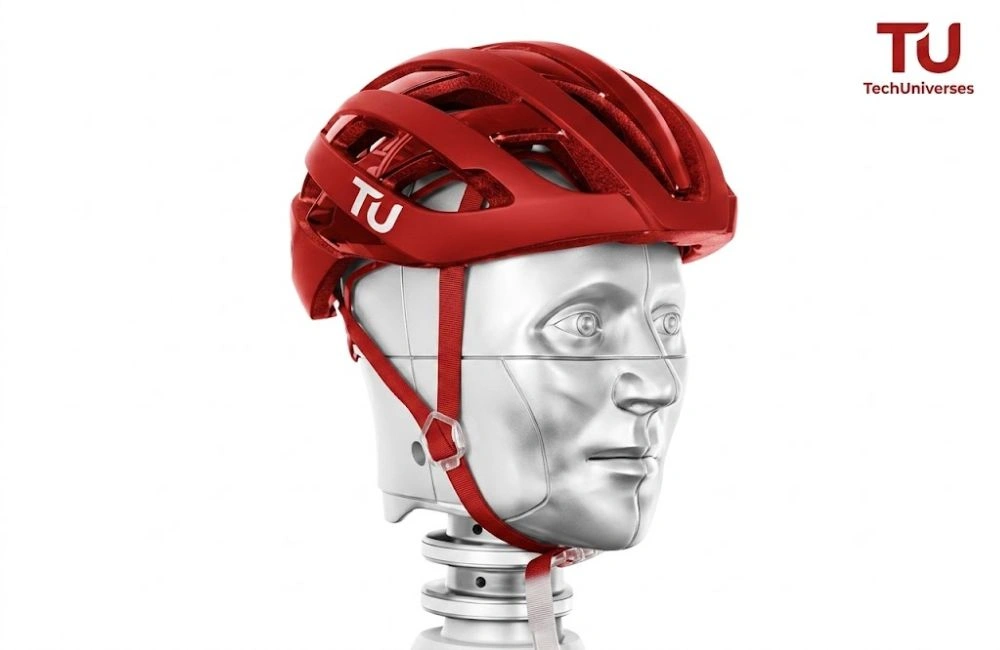
Virginia Tech bicycle helmet ratings are among the most widely searched categories within the program. Cycling helmets were added to the testing lineup in 2018.
How Bike Helmets Are Tested
Bicycle helmets go through a distinct testing protocol tailored to cycling-specific impacts. Key details include:
- Each bike helmet undergoes 24 impact tests in the lab
- Tests are conducted using a drop tower designed to match real cycling impact conditions
- Impacts are measured across multiple head locations
- Testing occurs at medium and high energy levels
This approach reflects the kinds of falls and collisions cyclists actually experience on the road or trail.
Why Virginia Tech Bike Helmet Ratings Matter
Every helmet sold legally must pass baseline government certification, such as CPSC standards in the United States. However, passing certification doesn’t mean all helmets perform equally.
Two CPSC-certified helmets can absorb dramatically different amounts of impact energy. Virginia Tech bike helmet ratings reveal that performance gap clearly.
This makes the ratings a valuable comparison tool, not a replacement for certification. Always choose a certified helmet first, then use STAR ratings to compare options within that certified pool.
MIPS and Bicycle Helmet Testing
Many bike helmets tested by Virginia Tech include MIPS technology, a rotational impact protection system. It’s worth noting that testing methodology can influence how favorably certain designs score.
This doesn’t mean MIPS helmets are automatically better in every real-world scenario. It simply means the specific test conditions used can affect comparative results, which is common across any lab-based rating system.
Recent Updates to Bicycle Ratings
Virginia Tech periodically updates its testing methodology and ratings database. A notable ratings update occurred in July 2025, refining how bicycle helmet scores are calculated.
These updates can shift star ratings for existing helmets, even without any physical changes to the product. This happens when methodology improvements change how risk is calculated across the board.
Virginia Tech Football Helmet Ratings
Football was the original sport tested by the Virginia Tech Helmet Lab, and it remains one of the most closely watched categories. Football helmet testing set the foundation for the entire STAR system.
How Football Helmets Are Tested
Football helmet testing is notably rigorous, given the sport’s higher-impact nature. Testing typically involves:
- 48 impact tests across four distinct zones: front, boss, side, and back
- Three separate impact energy levels: low, medium, and high
- Measurement of both linear and rotational acceleration
- Weighting based on real-world impact frequency data
This comprehensive approach reflects the wide range of hits football players actually experience during games and practices.
Choosing a Football Helmet Using STAR Ratings
Virginia Tech specifically recommends 4-star and 5-star helmets for optimal football protection. Given the higher-impact nature of the sport, prioritizing top-tier ratings matters more here than in lower-impact activities.
It’s worth remembering that even 5-star helmets cannot eliminate concussion risk entirely. They simply offer significantly lower risk compared to lower-rated alternatives.
Other Sports Covered by Virginia Tech Helmet Ratings
Beyond football and cycling, the Virginia Tech Helmet Lab has expanded testing into several additional categories. This broadens the usefulness of their research considerably.
Hockey Helmet Ratings
Hockey was one of the earlier sports added after football. Testing evaluates a helmet’s ability to reduce linear and rotational acceleration from typical on-ice impacts.
Virginia Tech also maintains separate ratings for youth hockey helmets, recognizing that impact patterns differ by age and playing style.
Construction Helmet Ratings
In a notable expansion beyond sports, Virginia Tech also rates construction helmets. This program was developed in collaboration with several industry organizations.
Testing focuses on oblique fall scenarios, representing severe but survivable construction site accidents. As with sports helmets, 4-star and 5-star ratings are recommended for workers exposed to fall hazards.
Why This Expansion Matters
The move into construction helmets shows how the underlying STAR methodology applies well beyond athletics. Any activity involving head impact risk can theoretically benefit from this style of independent testing.
This flexibility reinforces why Virginia Tech helmet ratings carry weight across such a wide range of industries and use cases.
How to Use Virginia Tech Helmet Ratings When Buying
Understanding the ratings is only useful if you know how to apply them practically. Here’s a step-by-step approach for smarter helmet shopping.
Step 1: Confirm Baseline Certification First
Before checking STAR ratings, ensure the helmet meets required safety certifications for your activity. This might include CPSC, DOT, or ECE standards, depending on your sport and region.
Step 2: Check the Star Rating for Your Specific Sport
Ratings are sport-specific, meaning a football helmet rating system differs from cycling or hockey. Always compare helmets within the same sport category.
Step 3: Prioritize 4-Star and 5-Star Options
Where possible, choose helmets rated 4 stars or higher. This applies across football, hockey, cycling, and construction categories alike.
Step 4: Balance Rating With Fit and Comfort
A high-rated helmet only works effectively if it fits properly. Consider these fit factors alongside the star rating:
- Snug fit without excessive pressure points
- Proper strap adjustment and chin strap security
- Appropriate size for your head shape and activity type
- Comfort for extended wear during activity
Step 5: Factor in Budget Without Sacrificing Safety
Higher-rated helmets don’t always cost significantly more. Compare multiple 4-star and 5-star options within your budget range before settling on a purchase.
Common Misconceptions About Virginia Tech Helmet Ratings
Several misunderstandings persist around how these ratings work. Clearing these up helps you make better-informed decisions.
Misconception 1: A 5-Star Helmet Prevents All Concussions
This is false. No helmet is concussion-proof, regardless of its star rating.
Any athlete can sustain a head injury, even while wearing top-rated protective gear. The ratings identify helmets that best reduce concussion risk, not eliminate it entirely.
Misconception 2: Higher Star Ratings Always Mean Better Real-World Performance
While STAR ratings are scientifically grounded, some experts note there’s no universal agreement on exact concussion prediction accuracy. The ratings represent a valid, evidence-based attempt to measure relative protection, not an absolute guarantee.
Misconception 3: Star Ratings Replace Proper Technique and Rule Changes
Helmets are only one part of concussion prevention. Rule changes and proper technique coaching are widely considered equally, if not more, important in reducing high-risk head impacts.
Misconception 4: All Rated Helmets on the Market Have Been Tested
Not every helmet available for purchase has been evaluated. Manufacturers typically submit specific models for testing, meaning some products on store shelves may not yet have a STAR rating at all.
Why Virginia Tech Helmet Ratings Are Considered Trustworthy
Several factors contribute to the credibility of this rating system within the sports safety community. These include:
- Complete independence from manufacturer funding or influence
- Peer-reviewed methodology, published in academic journals
- Consistent, standardized testing protocols across each sport category
- Ongoing research updates, reflecting evolving safety science
- Broad adoption by manufacturers, leagues, and consumers alike
Manufacturers themselves often use these ratings to guide product design improvements. Organizations ranging from youth leagues to professional sports also reference these ratings during equipment decisions.
Frequently Asked Questions About Virginia Tech Helmet Ratings
What does a Virginia Tech helmet rating actually measure?
It measures how effectively a helmet reduces linear and rotational head acceleration during impact, which correlates with concussion risk reduction.
How many stars should I look for when buying a helmet?
Virginia Tech generally recommends 4-star or 5-star rated helmets for the best available protection, regardless of sport.
Are Virginia Tech bicycle helmet ratings different from football ratings?
Yes. Each sport uses sport-specific testing protocols, since impact patterns differ significantly between cycling, football, hockey, and other activities.
Does a 5-star rating mean the helmet meets legal safety standards?
Not automatically. Helmets must still pass required certifications, such as CPSC or DOT standards, separate from their Virginia Tech STAR rating.
Are Virginia Tech helmet ratings funded by helmet companies?
No. The Virginia Tech Helmet Lab’s work is completely independent, with no funding or influence from manufacturers involved in the testing process.
Final Thoughts
Helmet ratings Virginia Tech style represent one of the most scientifically credible tools available for choosing safer protective gear. Built on over 15 years of research, the STAR system offers genuine, independent insight beyond basic certification requirements.
Whether you’re comparing Virginia Tech bike helmet ratings for cycling safety or reviewing football and hockey helmet scores, the core principle stays the same. Prioritize 4-star and 5-star options, confirm proper certification, and pair your helmet choice with good technique and safe practices.
No helmet eliminates risk entirely, but choosing a highly rated option meaningfully improves your odds of staying protected.