

Mosquitoes are often treated as a minor outdoor annoyance, especially during warm evenings when people spend more time in their yards, parks, and other outdoor spaces. However, these insects can carry diseases that affect human health. For residents of Los Angeles, understanding the risks is important because the region’s warm climate and changing weather conditions can create opportunities for mosquito populations to grow.
Although not every mosquito carries a disease, certain species can transmit viruses through their bites. Knowing which illnesses are a concern, recognizing potential symptoms, and taking practical steps to reduce mosquito activity can help families protect themselves throughout the year.
Why Mosquito-Borne Diseases Matter in Los Angeles
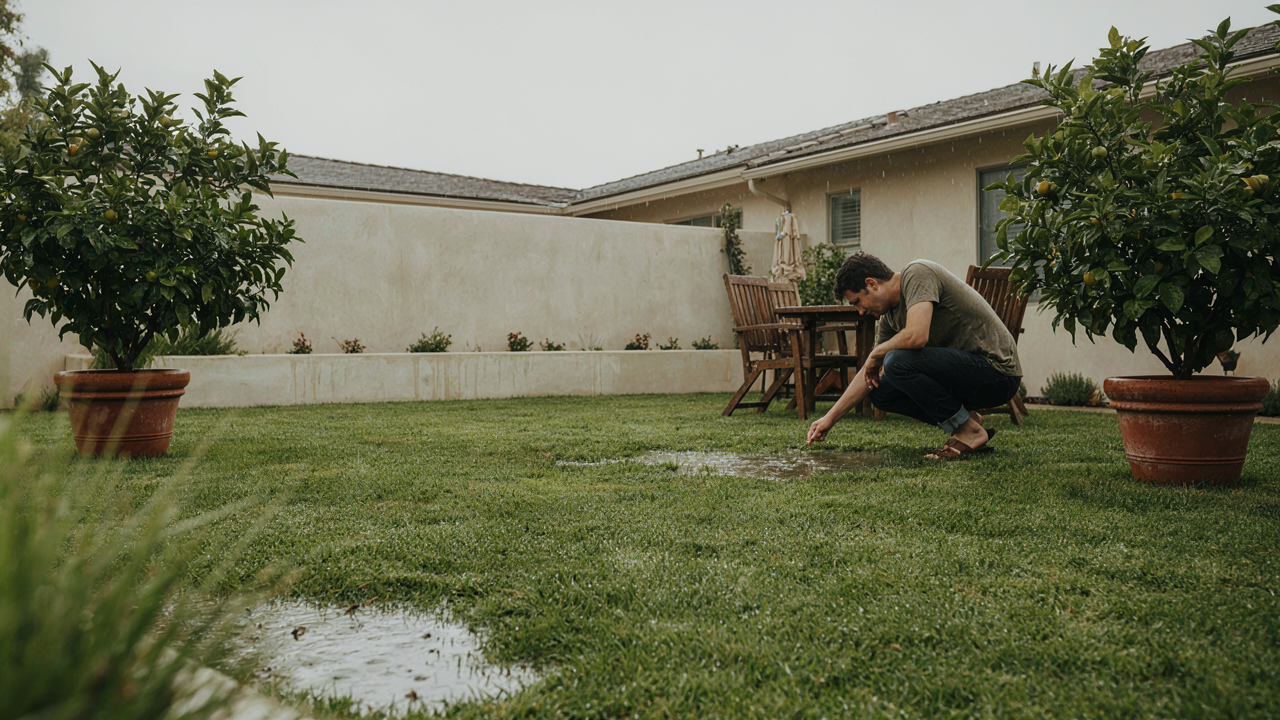
Los Angeles has a climate that allows mosquitoes to remain active for much of the year. Warm temperatures, occasional rainfall, irrigation, and standing water around residential properties can all contribute to mosquito breeding.
Even small amounts of stagnant water can become suitable places for mosquitoes to lay eggs. Flowerpot saucers, clogged gutters, buckets, unused containers, and neglected outdoor equipment may create breeding conditions without homeowners realizing it.
One of the most important reasons to learn about mosquito-borne illness information is that mosquito bites do not always cause immediate or noticeable problems. Some people may experience mild symptoms, while others can develop more serious illnesses. Older adults and individuals with certain health conditions may face a greater risk of complications from some mosquito-borne infections.
West Nile Virus: A Major Health Concern
West Nile virus is one of the mosquito-borne diseases that residents of Southern California should understand. The virus primarily circulates between infected birds and mosquitoes. People can become infected when a mosquito carrying the virus bites them.
Most people infected with West Nile virus do not develop symptoms. However, some may experience fever, headaches, body aches, fatigue, or skin rashes. In a smaller number of cases, the infection can affect the nervous system and lead to serious conditions such as encephalitis or meningitis.
Understanding West Nile virus risks is particularly important for people who spend considerable time outdoors. Mosquitoes can be active in residential neighborhoods, public parks, gardens, and other outdoor environments.
There is currently no specific medication that cures West Nile virus. Treatment generally focuses on managing symptoms and providing supportive medical care. Anyone experiencing concerning symptoms after mosquito exposure should contact a healthcare professional.
Other Mosquito-Related Health Concerns
West Nile virus is not the only mosquito-borne illness worth knowing about. Depending on mosquito species, travel history, and local conditions, other viruses may also be relevant.
For example, Aedes mosquitoes can transmit viruses such as dengue, Zika, and chikungunya. These diseases are more commonly associated with travel or transmission in certain other regions, but awareness remains useful because international travel can introduce infection risks.
Symptoms can vary depending on the virus. Fever, joint pain, headaches, muscle aches, and rashes are common signs associated with several mosquito-borne illnesses. Some infections may also cause complications that require medical attention.
Residents should avoid assuming that every mosquito bite presents a serious health threat. Instead, it is better to understand the possible risks and take reasonable precautions.
How Mosquitoes Spread Diseases
Mosquitoes do not spread every disease simply by being present. Transmission generally occurs when a mosquito feeds on an infected host and later bites another person or animal.
The mosquito’s species plays an important role because different species can carry different viruses. Their feeding habits, breeding preferences, and activity patterns also influence where exposure may occur.
In Los Angeles neighborhoods, mosquitoes may breed in neglected containers, drainage areas, decorative water features, and other locations where water collects. Some species can reproduce in surprisingly small amounts of water, making regular property maintenance an important part of prevention.
Reducing breeding opportunities helps limit mosquito populations and lowers the chances of contact with potentially infected mosquitoes.
Practical Ways to Protect Your Family
Homeowners do not need complicated routines to make their properties less attractive to mosquitoes. A few consistent habits can make a meaningful difference.
Remove standing water: Check outdoor areas regularly for containers, toys, buckets, and other objects that collect rainwater or irrigation runoff. Empty and clean them when necessary.
Maintain gutters and drains: Blocked gutters can hold water for extended periods. Keeping drainage systems clear helps prevent unwanted breeding areas.
Use mosquito repellent: Choose an EPA-registered insect repellent and follow the product label. Products containing DEET, picaridin, IR3535, or oil of lemon eucalyptus are among the recognized options.
Wear protective clothing: Long sleeves, long pants, and covered footwear can reduce exposed skin when spending time outdoors, particularly when mosquitoes are active.
Install or repair screens: Make sure window and door screens are in good condition so mosquitoes have fewer opportunities to enter the home.
Maintain your yard: Trim overgrown vegetation, remove unnecessary outdoor clutter, and regularly inspect areas where water may collect.
These simple practices can help reduce mosquito activity around residential properties.
When Professional Mosquito Control May Help
Sometimes, mosquitoes remain a problem even after homeowners remove obvious sources of standing water. Nearby properties, shared drainage areas, neglected outdoor spaces, and difficult-to-reach breeding locations may contribute to ongoing activity.
Professional pest control services can help identify conditions that encourage mosquito populations. A trained technician can inspect the property, identify potential breeding areas, and recommend an appropriate treatment approach based on the situation.
For Los Angeles homeowners dealing with recurring mosquito problems, professional assistance may be a useful addition to regular property maintenance. Effective mosquito management should focus on identifying breeding sources and reducing mosquito activity rather than relying only on temporary treatments.
Impressive Exterminating Pest Control can be a resource for homeowners looking for professional pest management support and practical ways to address outdoor pest concerns.
Stay Informed and Take Preventive Action
Mosquito-borne diseases are a health concern that Los Angeles residents should not overlook, but they are also something people can take practical steps to reduce. Understanding West Nile virus risks, learning how different mosquito species spread infections, and maintaining a mosquito-conscious outdoor environment can help protect households.
The most effective approach combines awareness with prevention. Regularly checking for standing water, using appropriate protection outdoors, and addressing persistent mosquito activity can make residential spaces more comfortable and reduce unnecessary exposure.
A little attention to mosquito prevention today can help create a safer and more enjoyable outdoor environment for the entire family.