

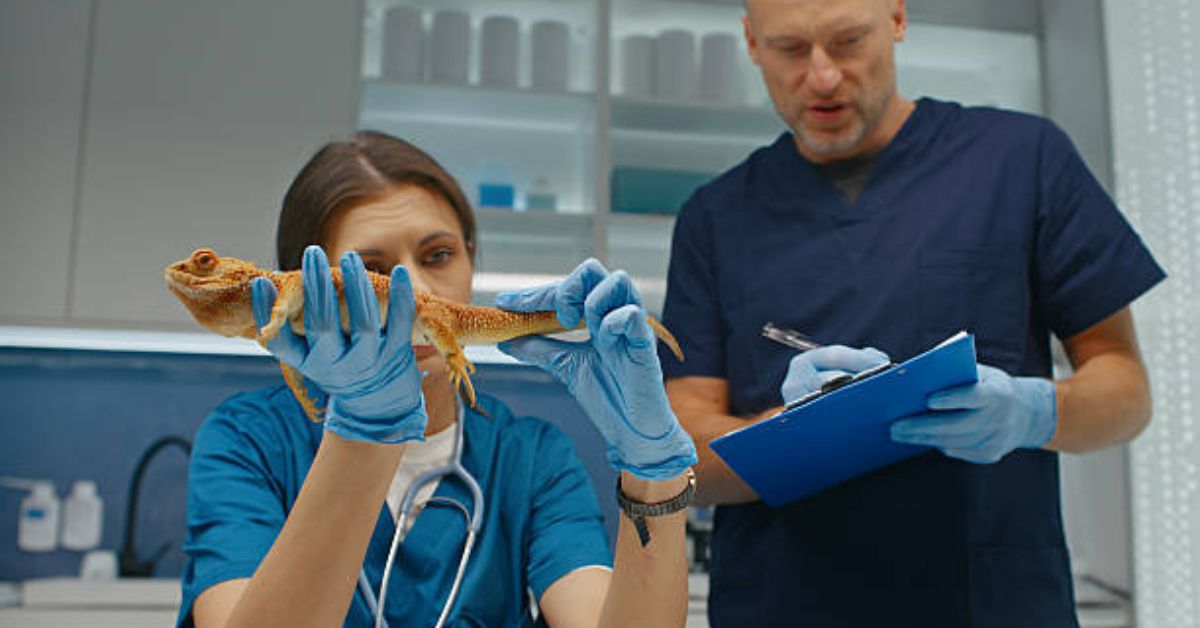
What Do Vet Techs Do? Did you ever visit a pet clinic and ask questions to the veterinarian about who is on the other end of the counter? It is believed that the veterinarian does everything, but it is much more complicated. The animal healthcare facilities depend on veterinary technicians to make sure that exams run well, treatments are administered safely and pets receive caring services. The article describes the duties of the vet techs including the simplest and the most complex duties of the occupation, as well as outlining the ability, the training, and the career opportunities that characterize this emerging field.
Understanding the Role of a Veterinary Technician
Veterinary technicians are licensed animal health care providers and are under the supervision of veterinarians. Their task is usually likened to the registered nurses in human medicine. Vet techs do not diagnose or prescribe medications, but have a broad variety of technical and medical jobs, which enable the veterinarians to concentrate on diagnosis and treatment planning.
Vet techs are the first to be contacted by animals at most clinics during their visits. They collect patient histories and keep track of vital signs, as well as making sure animals feel comfortable pre and post procedure. They have to work with nervous pets and their worried owners, which means that their work involves not only scientific knowledge but also emotional intelligence.
Daily Responsibilities of Vet Techs in Clinics
An average day of a veterinary technician would be different according to the nature of the practice yet the main things would be the same. During routine checkups, the vet techs prepare exam rooms, sterilize equipment and assist. They usually hold safe animals during examinations or surgeries and both the patient and the staff of the veterinary are safe.
In addition to the rudimentary support, vet techs vaccinate and take blood and urine samples, prepare animals to be operated upon. They will see the levels of anesthesia, control heart rate and oxygen saturation, and react swiftly to alterations in the condition of a patient during the operations. Based on recent veterinary workforce statistics, it is found that where well-trained vet techs work, clinics are reported to have an improved surgical outcome and a shorter procedure period, thus increasing their importance in clinical efficiency.
Clinical and Laboratory Duties Explained
Laboratory work is one of the most technical components of the work of a vet tech. Veterinary technicians do diagnostic testing including blood count, fecal analysis, and urinalysis. These tests show essential data that are used by the veterinarians to identify diseases and monitor the development of treatment.
X-rays are also taken and processed by Vet techs making sure that they are correctly positioned and safe. They can be used in specialty practices to help in the area of advanced imaging or specialized diagnostics. Their power to perform and interpret preliminary tests results correctly goes a long way to improve the care provided to the patients and accelerate the diagnostic process.
Patient Care and Animal Handling Skills
The veterinary technician profession revolves around animal care. Vet techs check on the hospitalized patients, give drugs, and monitor the changes in behavior, which might indicate complications. They also tend to do post-operative care such as wound care, pain management and recovery evaluation.
To deal with animals safely, training is also necessary as well as experience. Vet techs should learn how to deal with animals to reduce stress and injuries. This is a necessary ability in dealing with frightened, violent, or wounded animals. One should have compassion and patience because most of the animals count on the vets techs to comfort them in hard times.
Client Communication and Education
Veterinary technicians are also teachers and communicators. They elaborate on treatment regimens, medication guidelines and prevention care mechanisms to pet owners. Effective communication will help the owners know how to care about their pets at home which directly influences recovery and their health in the long term.
Research conducted on management of veterinary practice also demonstrates that a greater compliance with treatment plans in the clinic is realized when the clinic has strong client education program. Vet techs are largely responsible in this success, through translation into language that clients can understand, and responding to clients in a caring manner.
Work Environments for Veterinary Technicians
Most vet techs have different applications even though a large number are employed in private veterinary clinics. Others practice in animal hospitals, emergencies, or dental, oncology, or surgical specialty practices. Some of them work in research labs, zoos, animal shelters, or pharmaceutical firms.
Every setting has its own set of challenges and learning opportunities. The demands of the emergency clinics, such as being able to make decisions fast and work under pressure, and the demands of the research that focus on precision and collecting data. This variety contributes to a flexible and diversified career of veterinary technology.
Education and Certification Requirements
To become a veterinary technician, the usually required steps include taking an accredited course in veterinary technology, usually two years. These are programs that involve classroom training as well as practical clinical training. Some of the coursework entails anatomy, pharmacology, radiology, and animal nursing care.
The majority of regions require that after graduation, the vet techs take a credentialing exam to become licensed or registered. To keep the licensure, continuing education is usually necessary to keep the vet techs up to date with the medical development and best practices.
Essential Skills Every Vet Tech Needs
This is not because a rough knowledge that a person has is sufficient to become a successful veterinary technician. Good observational skills are essential since any slight tendency in behavior or vital signs of an animal may signal some severe health problems. Vet techs should also be physically fit since the work is prone to spending many hours on their feet and lifting of animals.
Soft skills like team work, communication and emotional resilience are also important. Veterinary clinics may be stressful places, especially when there is an emergency or at end of life. Vet techs who are able to handle stress without losing professionalism are worth their weight in gold to their organizations.
Career Outlook and Job Growth
The veterinary technicians are in demand. Labor statistics (recently released) show that jobs in this area will grow by a faster rate than that of the other occupations in the next 10 years. This is due to the rise in pet ownership and expenditure on animal healthcare.
Through experience and further training, the vet techs may be advanced to specialty practices or become leaders in clinics. Others prefer to become anesthesia, dentists, or emergency care specialists, which provides an even better career opportunity and higher salaries.
The importance of veterinary technicians
Veterinary technicians play a crucial part in any veterinary practice. They provide a linkage between the veterinarians, patients, and clients and make the provision effective, compassionate and efficient. The clinics would not be able to handle the increasing demand of quality animal healthcare without the services of competent vet techs.
It is important to learn more about what a vet tech does so that pet owners can understand the effort that is collaborative in taking care of their pets. It also brings out the reasons why this career is not only tough but also highly rewarding to the individuals who pursue it.
Conclusion
So, what do vet techs do? They offer urgent medical aid, humane patient treatment, and effective communication with clients along with close collaboration with veterinarians to enhance the health results of animals. Veterinary technicians are crucial parts of the contemporary veterinary care, whether regarding clinical responsibilities or emotional assistance. Veterinary technology is a significant and valuable profession as their input in the field grows due to its constant expansion.
