

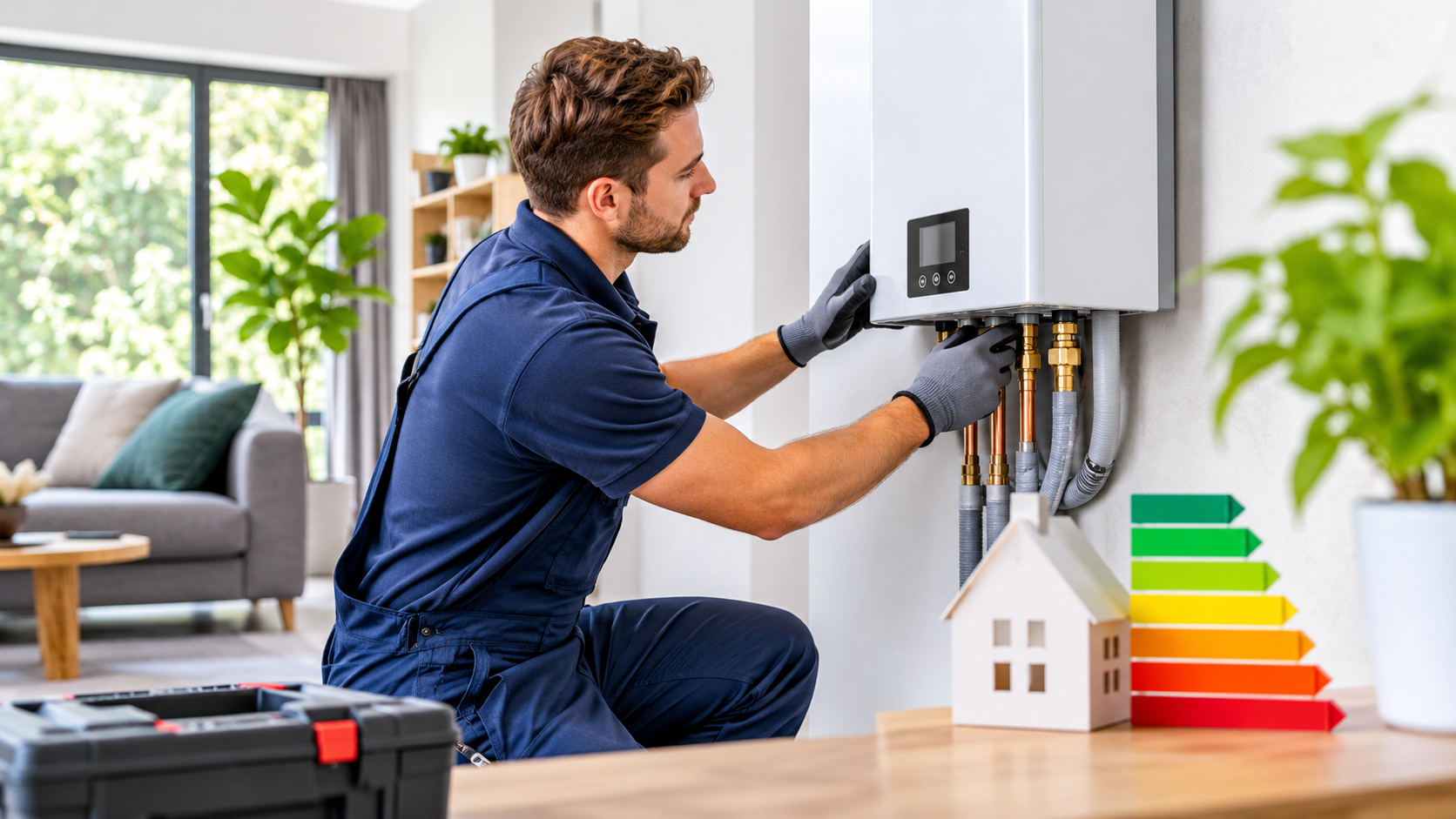
The way homes and commercial properties use energy is changing rapidly. Rising electricity demand, evolving technology, sustainability goals, and the growing popularity of electric vehicles are influencing how buildings are designed and upgraded. Property owners are increasingly looking beyond immediate energy savings and considering how their buildings will perform over the next ten, twenty, or even thirty years.
Preparing for these changes requires more than purchasing modern equipment. Heating systems, solar panels, home batteries, electric vehicle chargers, and smart energy controls must work together efficiently. This is where professional installation becomes essential. A properly planned installation helps ensure that every system operates safely, performs reliably, and can adapt to changing energy requirements.
Investing in future-focused property upgrades gives homeowners and businesses a practical way to improve energy performance while preparing for tomorrow’s technological developments. With the right expertise, properties can become more efficient, comfortable, and ready for new opportunities.
1. Understanding the Changing Energy Needs of Modern Properties
Energy requirements are becoming more complex as buildings adopt additional electrical technologies. Traditional properties were often designed around basic electricity consumption, conventional heating, and standard household appliances. Modern buildings, however, may include solar energy systems, heat pumps, electric vehicle charging stations, air conditioning, and battery storage.
Each addition creates new demands on the property’s electrical infrastructure. Without proper planning, existing installations may struggle to support increased consumption or simultaneous operation of multiple systems.
Professional installers begin by assessing the property’s current energy usage, electrical capacity, insulation, and existing equipment. This assessment helps identify potential limitations before new technology is introduced.
For example, a homeowner planning to install a heat pump and an electric vehicle charger may need an electrical capacity assessment before proceeding. Similarly, a business considering solar panels and battery storage should evaluate its consumption patterns and available installation space.
Understanding these requirements from the beginning helps property owners avoid unnecessary modifications and make better long-term investment decisions.
2. Building a Reliable Foundation With Professional Electrical Installation
Electrical infrastructure is one of the most important parts of a future-ready property. Modern energy technologies depend on reliable connections, appropriate circuit protection, and sufficient electrical capacity.
An outdated electrical installation can create problems when additional equipment is introduced. Overloaded circuits, insufficient distribution capacity, and poorly planned connections can affect system performance and safety.
Working with Dura Groep installation professionals helps property owners approach electrical upgrades with proper technical planning. Experienced installers can assess distribution boards, wiring, protective devices, and available capacity before recommending suitable improvements.
Depending on the property’s requirements, upgrades may include:
- Modernising the electrical distribution board.
- Installing additional dedicated circuits.
- Improving electrical protection and safety systems.
- Preparing connections for heat pumps and charging stations.
- Providing suitable infrastructure for solar panels and battery storage.
These improvements establish a dependable foundation for future technology. Rather than repeatedly changing the electrical system whenever a new appliance is introduced, property owners can plan infrastructure that supports several upgrades over time.
3. Integrating Renewable Energy and Battery Storage
Renewable energy is becoming an increasingly important part of residential and commercial energy strategies. Solar panels allow property owners to generate electricity on-site, reducing dependence on electricity purchased from the grid.
However, solar production does not always match household consumption. Panels typically generate the most electricity during daylight hours, while many households use more energy in the evening.
Battery storage can help address this difference by storing surplus electricity for later use. When properly integrated, a battery system allows property owners to make better use of their own generated energy.
Professional installation is particularly important because solar panels, inverters, batteries, and electrical distribution systems must communicate and operate together correctly.
An installer should consider:
- The property’s average and peak electricity consumption.
- The expected solar energy production.
- Appropriate battery capacity.
- Inverter compatibility.
- Available installation space and ventilation.
- Electrical safety and monitoring requirements.
The goal is not simply to install the largest possible battery or solar system. It is to create a balanced solution that matches the property’s actual energy needs.
With careful planning, renewable energy installations can support long-term efficiency and provide greater flexibility as electricity requirements change.
4. Preparing for Electric Vehicles and Smarter Energy Management
Electric vehicles are becoming a familiar feature of modern transport. As more households and businesses introduce electric cars, the demand for convenient and reliable charging infrastructure continues to grow.
Installing an EV charging station requires more than selecting a suitable charger and connecting it to the electrical supply. The installation must account for electrical capacity, charging requirements, cable routing, safety protection, and the property’s future electricity consumption.
Smart charging technology offers additional benefits. Depending on the system, charging can be adjusted to available electrical capacity, household demand, or surplus solar production.
For businesses, intelligent charging management can also help distribute electricity across multiple vehicles. This is particularly useful for organisations operating electric fleets, where several vehicles may need charging during the same period.
Professional installers can assess current requirements while preparing infrastructure for possible expansion. For example, a homeowner who initially needs one charging point may eventually want a second charger. Planning cable routes, distribution capacity, and load management in advance can make that future expansion easier.
Combining EV charging with solar panels and battery storage can also create a more integrated energy solution.
5. Choosing Energy-Efficient Heating, Cooling, and Smart Technology
Heating and cooling systems have a major influence on a property’s total energy consumption. Older installations may use more electricity or fuel than necessary, while modern systems can provide improved comfort with better energy performance.
Heat pumps are one example of technology that can support more efficient heating. Depending on the building, an air-to-air or air-to-water heat pump may offer a suitable alternative to conventional heating equipment.
Air conditioning systems can also contribute to year-round comfort when correctly selected and installed.
However, choosing the right equipment requires careful consideration of property size, insulation, room layout, heating demand, and existing infrastructure. An incorrectly sized system may struggle to maintain comfortable temperatures or operate inefficiently.
Smart thermostats and energy management systems provide another opportunity to improve performance. They allow users to monitor energy consumption, adjust heating schedules, and coordinate different installations.
Professional installation ensures that these technologies are configured correctly and work together as intended. It also helps property owners avoid compatibility issues when combining equipment from different manufacturers.
6. Why Professional Planning Creates Long-Term Value
Preparing a property for future energy needs is a long-term project rather than a single installation decision. Technology will continue to develop, electricity consumption patterns may change, and new equipment may become relevant as household or business requirements evolve.
A professional installation strategy considers these possibilities from the beginning.
Instead of focusing exclusively on the cheapest immediate solution, property owners should evaluate durability, compatibility, maintenance requirements, and opportunities for future expansion.
A good installation plan should include:
- A detailed assessment of current energy requirements.
- Recommendations based on the property’s condition.
- Equipment selected for compatibility and efficiency.
- Safe installation according to applicable regulations.
- Clear guidance on operation and maintenance.
- Opportunities for future system upgrades.
Choosing experienced installation specialists can also reduce the risk of avoidable technical problems and help protect the value of existing equipment.
For property owners considering energy improvements, working with Dura Groep installation professionals offers an opportunity to approach modern installations with a focus on reliability, comfort, and long-term performance.
Conclusion: Make Your Property Ready for Tomorrow
Future energy needs will require buildings to become smarter, more efficient, and more adaptable. From renewable energy and battery storage to heat pumps, EV charging, and intelligent energy management, modern technologies offer many opportunities to improve how properties consume electricity.
However, successful upgrades depend on more than the equipment itself. Proper planning, compatible systems, safe electrical infrastructure, and professional installation are essential for achieving reliable results.
By investing in well-planned improvements today, homeowners and businesses can prepare their properties for changing energy demands while improving everyday comfort and efficiency.
The best time to consider future energy requirements is before new technology becomes necessary. With expert advice and professional installation, your property can be ready to meet tomorrow’s challenges with confidence.