

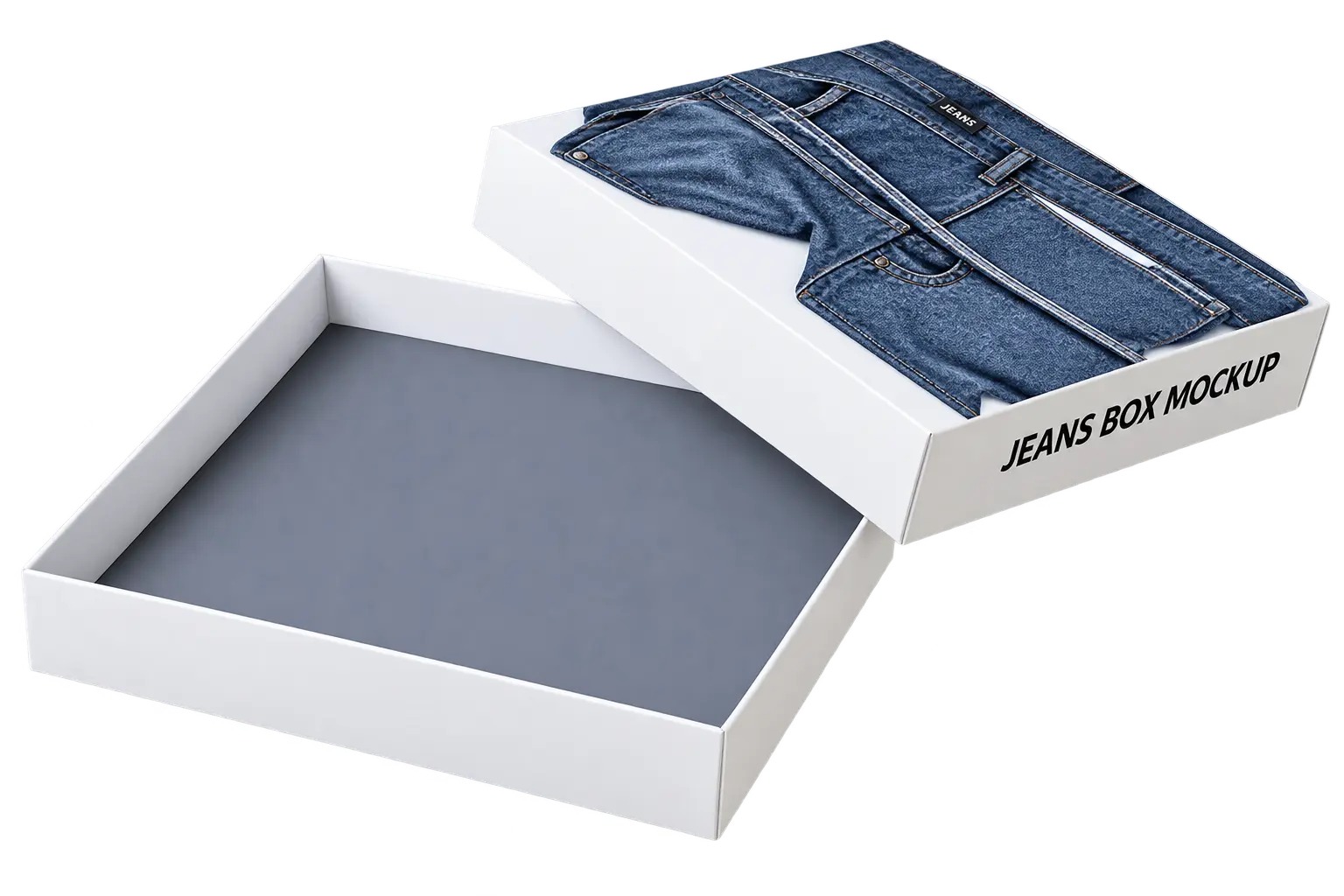
The UK fashion and apparel sector thrives on identity, heritage, and customer experience. Denim remains a wardrobe staple across every demographic, yet contemporary shoppers expect far more than durable stitching and flattering cuts when buying from independent labels or established fashion houses. When an online order arrives at a customer’s doorstep or sits neatly arranged on a boutique display table, the outer presentation shapes immediate perceptions of garment quality and brand value. Investing in bespoke jeans packaging boxes gives denim labels a decisive commercial edge by safeguarding heavyweight fabrics while creating an unmistakable unboxing ritual.
In this comprehensive industry guide, we examine how structured apparel packaging elevates brand positioning, protects garment finishes during transit, and aligns fashion labels with modern UK sustainability standards.
1. Moving Beyond Poly Mailers: The Shift in Denim Retail
For decades, fashion retailers relied almost exclusively on thin plastic poly mailers to ship trousers and denim jackets. While cheap and lightweight, flexible plastic bags leave garments vulnerable to creasing, tearing, and moisture damage during courier handling.
Elevating Perceived Garment Value
Premium selvedge denim and tailored trousers often carry substantial price tags. Arriving in a flimsy plastic bag creates a jarring disconnect between the luxury price point and the physical delivery experience. Rigid or corrugated apparel cartons immediately communicate craftsmanship, care, and exclusivity before the buyer even touches the fabric.
Creating Memorable Unboxing Moments
Modern fashion consumers actively document their purchases across visual platforms like Instagram and TikTok. A structurally sound, visually striking box turns a routine clothing delivery into shareable social proof. Satisfied buyers become vocal brand advocates, generating organic visibility without additional advertising spend.
2. Protecting Heavyweight Denim During Logistics Transit
Denim is significantly heavier than standard cotton jersey or knitwear. A single pair of heavyweight raw denim jeans can weigh upwards of 800 grams, placing considerable stress on outer shipping containers.
Preventing Creasing and Hardware Damage
When courier vans stack heavy parcels on top of soft mailers, metal rivets, shanks, and zip pulls can press into surrounding fabrics, leaving permanent indentations or scuff marks. Structured jeans packaging boxes provide rigid external walls that absorb vertical stacking pressure and keep folded garments flat and crisp.
Shielding Indigo Dyes from Moisture and Friction
Raw and unwashed indigo denim can suffer from dye transfer or mildew spotting if exposed to damp conditions in transit. Pairing sturdy outer cartons with internal acid-free tissue paper regulates ambient humidity and prevents friction between the garment and rough cardboard fibres.
3. Material Engineering for Modern Apparel Packaging
Selecting the right substrate ensures your custom clothing boxes withstand UK postal networks while reflecting your label’s visual aesthetic.
E-Flute Corrugated Cardboard for E-Commerce
E-flute corrugated board offers an ideal balance between lightweight postal efficiency and structural toughness. Its dense internal fluting resists punctures and corner crushing during automated sorting, making it the premier choice for direct-to-consumer denim brands.
Unbleached Kraft Paperboard for Heritage Labels
Denim carries deep roots in workwear heritage and authentic craftsmanship. Natural brown kraft board complements the rugged aesthetic of raw indigo fabrics while offering complete recyclability and biodegradability.
Rigid Paperboard for Limited-Edition Drops
For capsule collections, bespoke collaborations, or high-end designer denim, thick greyboard boxes wrapped in textured specialty paper deliver unmatched prestige. Customers frequently retain these sturdy boxes for wardrobe storage, keeping your brand mark visible inside their homes for years.
4. Structural Styles and Custom Printing Techniques
Your packaging architecture should match your sales channels, whether you operate an online storefront, high-street retail spaces, or wholesale distribution.
| Box Style | Ideal Application | Key Commercial & Customer Benefit |
| Roll-End Tuck-Top Mailers | Direct-to-Consumer E-Commerce | Self-locking front flaps eliminate excess tape |
| Two-Piece Lid and Base | Boutique & Retail Displays | Easy shelf stacking and effortless garment inspection |
| Sliding Drawer / Slipcase | Collector & Selvedge Editions | High-end tactile reveal with reinforced structural walls |
| Pillow & Gable Cartons | Lightweight Denim & Accessories | Compact footprint with quick assembly at checkout |
Tactile Finishes That Reinforce Brand Identity
Subtle print enhancements separate leading fashion labels from mass-market competitors. Combining matte lamination with targeted spot UV varnish over your brand crest creates an understated, modern look. Blind embossing—raising your typography slightly off the board surface—mimics the tactile texture of leather waist patches found on classic jeans.
Internal Printing and Care Storytelling
The inside lid of your box offers prime real estate for brand storytelling. Printing wash care guides, selvedge origin stories, or styling tips directly onto the interior panel educates buyers on preserving their denim’s fade and fit, demonstrating genuine industry expertise.
5. Meeting UK Sustainability Expectations in Fashion
The UK fashion sector faces intense scrutiny regarding packaging waste and environmental stewardship. Modern shoppers actively favour apparel brands that demonstrate verifiable eco-friendly practices.
FSC-Certified Boards and Soy-Based Inks
Sourcing FSC-certified paperboard guarantees that raw wood fibres come from responsibly managed forests. Replacing petroleum-based inks and plastic laminates with soy-based inks and water-based aqueous coatings ensures your jeans packaging boxes remain 100% kerbside recyclable across the UK.
Right-Sized Packaging Reduces Carbon Footprint
Custom-tailored box dimensions fit folded trousers snugly without leaving hollow air pockets. Eliminating excess volume allows couriers to load more parcels per delivery van, reducing transport emissions and lowering volumetric shipping charges for your business.
6. Commercial and Operational Advantages of Bulk Sourcing
Transitioning from generic shipping bags to bespoke apparel boxes delivers measurable operational returns as your fashion label scales.
- Lower Unit Manufacturing Costs: Ordering jeans packaging boxes in wholesale quantities reduces per-unit production expenses, protecting profit margins across seasonal collections.
- Faster Fulfilment Workflows: Pre-creased, flat-packed mailer boxes assemble in seconds without requiring adhesive tape guns, speeding up dispatch times during peak retail sales periods.
- Reduced Return Rates: Garments arrive neatly folded, dry, and free from transit damage, lowering costly customer returns and exchange requests.
Conclusion: Elevate Your Denim Brand with Purpose-Built Packaging
In a crowded fashion marketplace, every physical touchpoint counts. Bespoke jeans packaging boxes protect heavyweight garments from transit damage, reinforce brand heritage, satisfy eco-conscious UK shoppers, and turn routine deliveries into unforgettable unboxing experiences. By aligning structural durability with refined visual branding, your packaging becomes a reliable engine for customer retention and brand growth.
Are you ready to upgrade your apparel presentation and give your denim line the packaging it deserves? Contact our packaging specialists today to request a custom quote and explore tailored material and print options for your brand!