

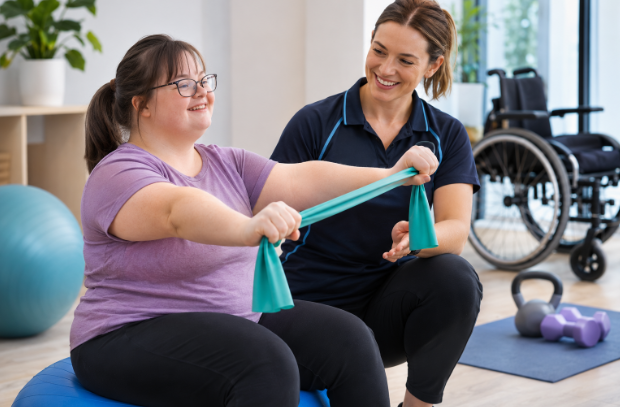
An effective movement plan begins with understanding what someone wants to do in everyday life. When considering NDIS exercise physiology, participants and supporters can prepare by identifying meaningful activities, gathering relevant health information, and reviewing how services fit their approved funding. The initial appointment is an opportunity to establish priorities, not a test of physical ability. Good preparation makes it easier to ask questions and participate in decisions about future sessions.
Bring Goals That Describe Real Life
The first discussion about NDIS exercise physiology should centre on activities that matter to the participant. Examples could include moving safely between rooms, managing stairs, walking to a local destination, or participating in a chosen recreational activity. These goals are more useful than an unspecific instruction to become fitter because they identify where support may improve independence or participation.
A participant does not need to arrive with perfectly worded goals. Describe what is difficult, what assistance is currently required, and what would count as meaningful progress. Support people can help communicate preferences, but the participant’s choices should remain central wherever possible. A practitioner can then consider how to translate those priorities into measurable and realistic steps.
Explain Fluctuating Needs and Current Supports
An NDIS exercise physiology assessment may consider mobility, balance, strength, fatigue, pain, and relevant medical history. Bring information about medications, recent changes in health, mobility aids, or advice from other treating professionals. It is also useful to explain whether capacity changes throughout the day or following particular activities.
The practitioner should understand the support environment. An exercise plan that depends on equipment or transport a person cannot access may be difficult to follow. Home visits, where offered and available, can help address some barriers. The referenced service describes tailored planning and home visits subject to availability, so individual arrangements should be confirmed rather than presumed.
Clarify Funding Before Scheduling Sessions
NDIS exercise physiology can be an eligible therapy support when it meets the NDIS funding criteria and is linked to disability-related functional outcomes. It is not automatically funded merely because exercise benefits general health. Current NDIS guidance also distinguishes eligible allied-health therapy from supports such as general gym memberships, wellness coaching, and activities that do not meet the therapy criteria.
Ask which part of the plan will pay for the sessions and whether the funds are available for the proposed service. Discuss provider qualifications, hourly charges, cancellation terms, reporting, and travel costs if relevant. The NDIS describes therapy supports as evidence-based and delivered by appropriately qualified professionals. A service agreement should explain the scope of work before appointments accumulate.
Understand How Sessions May Progress
During NDIS exercise physiology sessions, a clinician may use functional movement practice, resistance exercises, balance activities, or carefully adapted aerobic work. The selection should follow assessment findings and participant goals, not a fixed routine applied to everyone. Some people need a gradual introduction to movement; others may work on maintaining existing abilities or practicing tasks with less assistance.
Participants should be able to ask why an activity is included, what sensations are expected, and when an exercise needs to stop. Significant pain or unexplained new symptoms warrant appropriate medical review. Progress can be adjusted when energy, health, or access to equipment changes. Documentation can help identify improvements that are visible outside the clinic.
Review Results With the Participant
Useful NDIS exercise physiology reviews compare current function with the goals discussed initially. Can an activity be completed with less assistance, more safely, or with greater confidence? Has a barrier outside therapy become apparent? A numerical fitness result may provide context, but everyday participation should remain important.
Ask how findings will be reported and whether other professionals need to coordinate the next steps. If an intervention no longer addresses the agreed purpose, the plan may need revision rather than repetition. The participant should understand what happens between sessions and which tasks are suitable to practise independently.
Conclusion
A postpartum exercise program focuses on recovery after childbirth and should not be assumed to qualify for NDIS funding unless it independently meets the applicable disability-related criteria. Preparing meaningful goals, understanding service terms, and reviewing progress can help participants use appropriate supports effectively. The most useful plan is one shaped around individual needs and practical opportunities for participation. Clear communication keeps those priorities visible throughout care.