

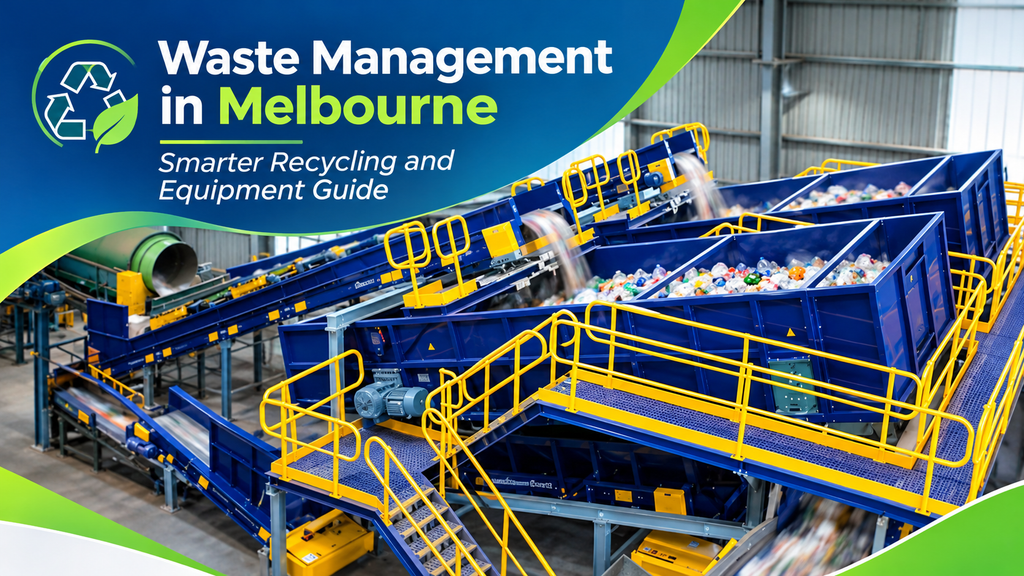
Growing cities generate enormous volumes of materials that must be sorted, processed, and diverted from landfill responsibly. Effective waste management in Melbourne depends on practical processes, reliable machinery, and clear separation of different material streams. This article explains the main recycling pathways, the machines that make sorting possible, and the operational factors that influence results. Whether you manage a commercial site or simply want to understand the system better, the following sections offer a clear, practical, and balanced overview.
Understanding the Main Recycling Streams Used Across Modern Processing Facilities
Plastic, Glass, and Textile Recycling Turn Discarded Items Into Resources
Plastic recycling sorts, shreds, washes, and granulates materials such as PET, HDPE, and LDPE into feedstock for new products. Good waste management in Melbourne also covers glass, which can be melted repeatedly, and textiles, which are processed into fibres. Each stream reduces landfill volume and conserves raw resources.
Organics, Co-Mingled, and Skip Bin Recycling Simplify Everyday Collection
Organics recycling converts food waste and garden trimmings into compost or biogas, which cuts methane emissions. A well-planned waste management in Melbourne system also uses co-mingled collection to combine plastics, metals, and glass into one stream. Skip bin recycling then sorts construction waste so metals, wood, and plastics are recovered properly.
Tyre, Paper, and Cardboard Recovery Support a Circular Economy
Used tyres can be converted into rubber, steel, and textile fibres, which may then serve in road surfacing and playgrounds. Dependable recycling solutions also reprocess paper and cardboard into new products, saving energy and reducing deforestation. Each route recovers value that would otherwise be buried.
Machines That Sort, Size, and Separate Materials Before Further Processing
Shredders, Hammermills, and Bag Openers Prepare Mixed Loads for Sorting
Primary shredders handle bulky items, while secondary shredders refine the output for processing. High-quality waste management equipment also includes hammermills that crush tough material and bag openers that tear bags open without shredding contents. Early size reduction makes every later stage smoother. Preparation strongly influences how efficiently sorting machines perform.
Screens, Magnets, and Eddy Currents Separate Metals From Mixed Waste
Screens sort waste by size, directing fine particles away from larger materials. For effective waste management in Melbourne, magnets pull ferrous metals such as iron and steel from the stream. Eddy current units then separate non-ferrous metals, including aluminium and copper. Cleaner metal output improves resale value.
Ballistic, Optical, and Air-Based Separators Refine Material Quality
Ballistic separators sort waste by density, shape, and size, dividing flat paper from rounded bottles. Optical separators identify plastics, paper, and glass by composition, while windshifters use air currents to lift light materials away from heavier waste. Disk screens add quick size-based sorting for paper and plastic.
Balers, Automation, and Planning That Improve Efficiency and Reduce Costs
Balers and Wrappers Compress Recyclables for Easier Storage and Transport
Balers compress recyclable materials into compact bales, reducing volume and improving logistics. Facilities managing waste management in Melbourne often add wrappers that seal bales in protective film to limit contamination. Smaller, protected loads are easier to store, transport, and sell on to processors. Efficient handling also reduces operating costs.
Automation, Robotics, and Artificial Intelligence Improve Sorting Accuracy and Safety
Electrical and automation systems keep machines running consistently, reducing human error and improving safety. Modern waste management solutions increasingly integrate robotics and artificial intelligence that identify materials with high accuracy. These tools complement mechanical separation rather than replace it, producing cleaner outputs from complex mixed streams.
Matching Material Types and Volumes to the Right Processing Setup
Every site generates a different mix of material, so planning should begin with an audit of volumes and contamination. Businesses reviewing waste management in Melbourne options should match each stream to suitable equipment. Experienced engineers can assist with design, manufacturing, and installation so the system suits the site.
Final Thoughts
Sustainable material handling depends on matching the right process to each waste stream. Specialists such as OGTEC supply machinery and engineering support that help facilities sort, shred, bale, and recover materials efficiently. Thoughtful planning, dependable equipment, and consistent operation together lead to better recovery rates and lower landfill use. Every well managed site contributes to a more sustainable city.