

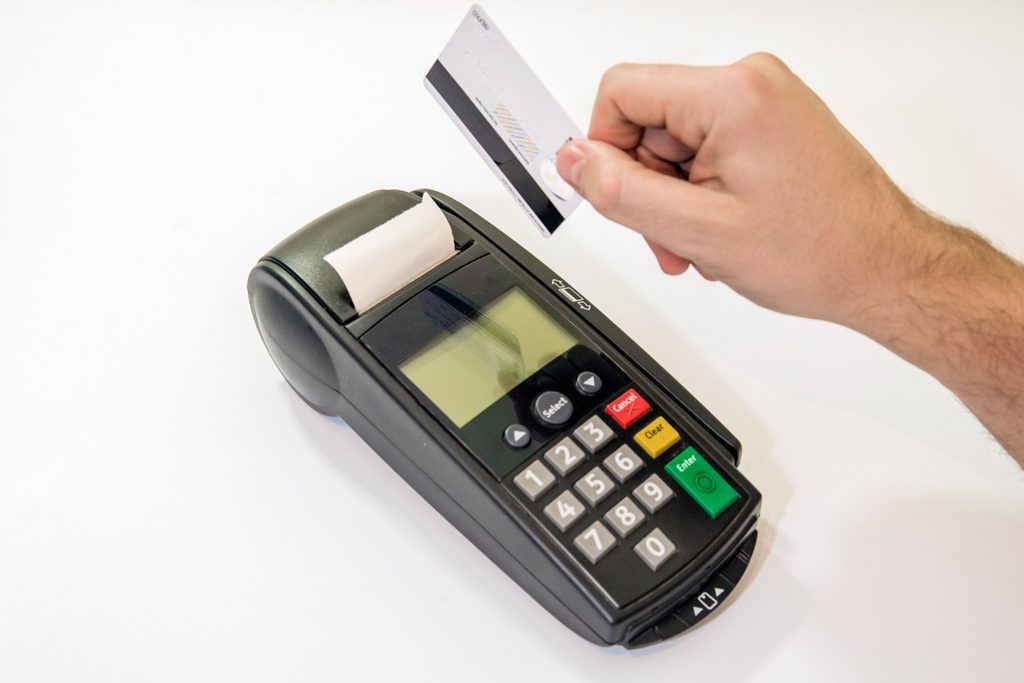
Every card swipe, tap, or online checkout sets off a chain of events that most shoppers never see. Understanding that chain helps business owners make safer decisions about how they get paid. This guide explains how payment processing merchant services work, what a business needs to get started, and which safeguards matter most.
How Card Transactions Work
A card payment involves several parties working within seconds. The merchant’s terminal or checkout page captures the card details and sends them to a payment processor. The processor forwards the request through the card networks to the issuing bank, which approves or declines it in real time.
Approved transactions are then grouped into batches for clearing. Funds move from the issuing bank through the card network to the merchant’s account, usually within standard settlement timelines. Strong payment processing merchant services coordinate each step and provide reporting so owners can reconcile sales.
The Role of the Acquiring Bank
The acquiring bank holds the merchant account and carries regulatory responsibility for the merchant’s card activity. Processors must be registered and approved by acquiring banks and card networks, which keeps authorization, clearing, and settlement within the operating rules that Visa, Mastercard, and other networks enforce.
Basic Setup Requirements
Before accepting cards, a business needs a registered merchant account. Underwriting teams verify identity and business activity through know-your-customer checks and review banking details. Startups and sole proprietors can generally qualify, though applicants commonly provide a driver’s license, a tax ID, and a voided check. Because acquiring banks may also review personal credit for small businesses, the information must match across every document.
Many merchants begin accepting cards within 24 to 72 hours after underwriting approval and terminal setup, depending on risk profile and documentation. Estimated monthly volume also helps determine pricing, even when no strict minimum applies. Anyone comparing payment processing merchant services should confirm these timelines in writing.
Choosing Payment Hardware
Modern terminals should support EMV chip cards, magnetic stripe, and NFC contactless payments. Compatibility with the chosen processor is worth confirming before purchase, since mismatched equipment can delay launch and create avoidable support problems later.
Security and Compliance Essentials
Security is where payment processing merchant services carry the most responsibility. Merchants are sorted into PCI levels according to annual transaction volume, and each level requires validation through a self-assessment questionnaire or an on-site audit. These steps follow the PCI DSS standard, which calls for restricted access controls and careful handling of sensitive payment information.
EMV and Liability Shift
EMV chip technology encrypts and authenticates card-present transactions, which reduces counterfeit fraud. Under the EMV liability shift, responsibility for fraudulent in-person charges can move to a merchant that has not adopted EMV-capable terminals. Hardware choices therefore affect financial risk as well as customer convenience.
Fraud Prevention Tools
Layered controls work better than any single safeguard. Common tools include:
- Tokenization, which replaces card numbers with unusable substitutes
- Encryption of data in transit
- Address verification (AVS) and card security code (CVV) checks
- Real-time transaction monitoring to flag unusual activity
Together, these measures reduce chargebacks and protect cardholder data from unauthorized access.
Evaluating Providers Carefully
Fee transparency deserves close attention. Owners should request a written breakdown of interchange, assessment, and processor markups, then compare monthly statements against that quote. Contract length, early termination terms, and equipment ownership are equally important. Clear answers about the sponsoring bank, PCI costs, and support response times often reveal how dependable a provider will be.
Educational resources help here, and a well-researched post can explain these topics without pushing a product. Readers should still verify claims against card network rules. Independent reading makes it easier to separate genuine compliance requirements from sales language, and it gives owners a firmer footing when reviewing payment processing merchant services offers.
Conclusion
Reliable card acceptance depends on understanding how transactions move, meeting compliance requirements, and choosing secure hardware. Merchants who want to see how an Independent Sales Organization outlines onboarding, security, and settlement can review the public materials from Best Products Sales & Service inc. as one reference point. Careful research and regular account reviews keep a business protected as its sales grow.